The bank appointed an independent loan review specialist who compared the original closing documents, payoff receipt, archived payment trail, and current servicing entries. She interviewed Bell about the notices his department had sent. He answered stiffly, looking less certain than when he had stood on the porch and dismissed a child’s question.
Leon told Miles that adults could make serious mistakes without being monsters. What mattered was how they acted when the evidence became clear. Miles said some mistakes cost families more than the people who made them realized. Leon nodded and agreed that accountability had to include repairing the harm.
The reviewer promised a written finding by Monday, but that weekend Tasha received another automated debt notice bearing the same disputed balance.
—
The automated notice was dated after the court’s temporary pause, and Tasha nearly threw it away in anger. Brooks advised her to save it. The letter did not necessarily mean anyone had deliberately defied the court; a servicing system could keep producing notices before a correction reached every department. That was a problem the bank still had a duty to address.
The closer they came to an answer, the more Miles worried about what he had missed. That was not a weakness. It meant he knew every repair has consequences beyond the part in one’s hand. He was beginning to understand why patience mattered so much.
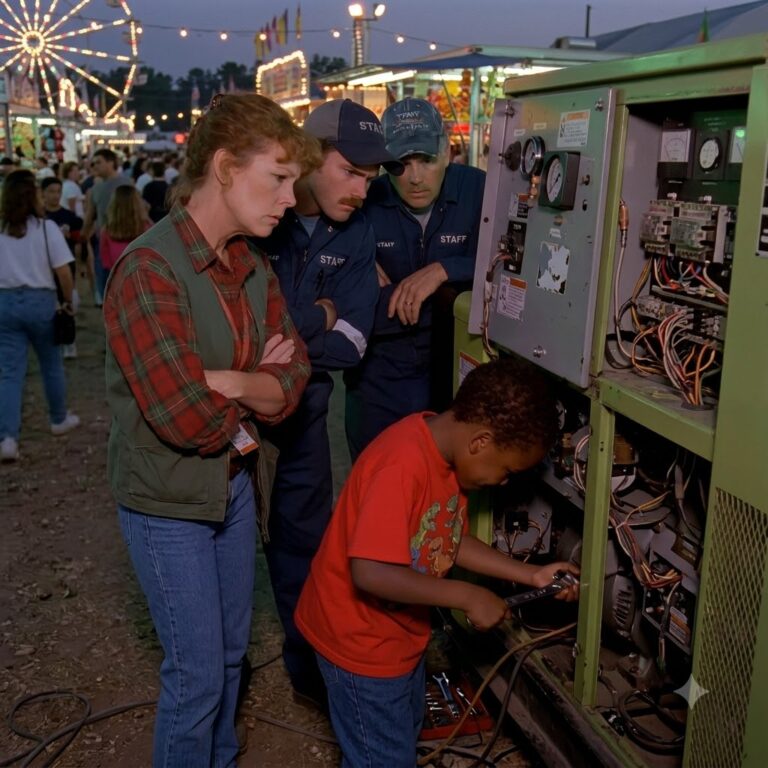
Miles asked why the bank could not press one button and make the mistaken balance vanish. Leon said the same thing could be asked of a machine that kept running after a broken switch. Mrs. Park had taught him that complicated systems needed controlled checks before anyone declared them safe. Miles decided the parallel made sense but did not excuse people who ignored warnings.
Brooks forwarded the notice to the bank’s counsel and asked for confirmation that collection activity had been stopped. She also requested the reviewer’s complete findings in writing. Bell called an hour later, sounding embarrassed, and said he had not authorized the letter. Tasha told him her family needed a documented correction, not another telephone explanation.
The following day the independent reviewer finished comparing the two account trails. She found that the payoff had been recognized by the original lender, while the successor database treated the same loan as still active after a mistaken transfer entry. The difference had grown into false fees over several years.
Brooks called Tasha with the result, but warned that the bank’s legal department still had to issue a formal correction before the case could end.
—
The bank’s review confirmed the family had satisfied the home equity loan in 2019. Brooks explained the finding in ordinary language at the kitchen table while Miles sat beside the restored safe. Leon covered his eyes. Tasha cried without making a sound. The moment felt too quiet for a problem that had nearly taken away their house.