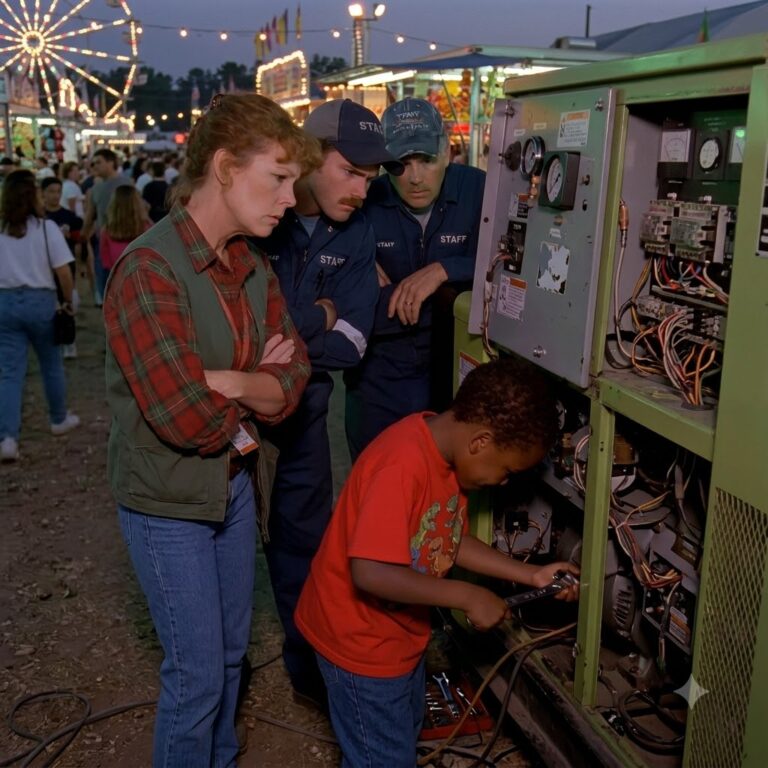
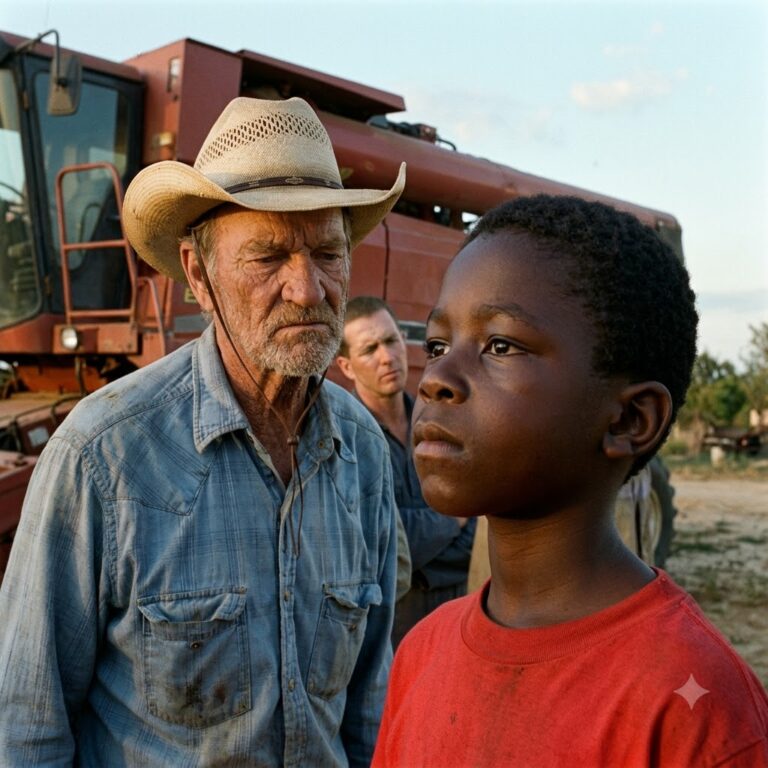
Time passed differently after that. School days were still filled with homework, buses, dishes, and the ordinary embarrassments of being a child. The opportunity did not erase effort; it made effort count in a new place.
The reopening celebration brought neighbors from every block: teachers, nurses, bus drivers, children, retirees, and workers who had once hurried past the empty tables. Lena handled the counter while Rochelle supervised the kitchen and Evie greeted old customers. Caleb helped restock paper bags and took a break to finish a reading assignment for school.
Hart arrived without cameras or a business proposal. He bought a box of pastries and asked whether Caleb still kept that old notebook. Caleb showed him the newer pages, filled with costs, recipes, and observations. Hart said he wished he’d been curious enough to ask about it the first day. The boy smiled and said there was still time to learn.
Evie raised a cup of coffee to her staff, thanking them for building a future where the bakery could remain open without demanding impossible sacrifices. Rochelle told Caleb she had accepted the managing partner role after the final review. He hugged her and felt the same pride she once felt watching him work. His mother’s work schedule would not change just because somebody called her son exceptional.
Just before closing a little girl approached the counter and asked Caleb if somebody like her could learn to bake there someday.
—
Caleb looked at the girl and saw a notebook sticking out of her coat pocket. Her name was Tia, and she lived in the apartments behind the laundromat. She said her family could not afford cooking classes but she liked watching her grandmother make bread. Caleb asked what she had tried making, and she described a biscuit recipe that collapsed in the oven. He listened seriously.
Years later, Caleb would remember the first conversation less as a victory than as a doorway. He had entered poor and uncertain, carrying knowledge that nobody expected him to possess. Their time was running short.
Evie came over and explained that the bakery would soon begin a supervised weekend youth workshop using safe classroom demonstrations. Tia’s eyes widened when she learned the fee would be waived for families who needed support. Rochelle had helped organize the program with the local school so children would have a chance to learn without taking on adult work.
The bakery was not rich. Its accounts still needed attention every week, and some mornings the ovens would misbehave. But Rochelle had stable hours and a genuine path to ownership, Evie could gradually rest, and Caleb had earned a place in the summer culinary program. The shop’s survival had become a shared achievement rather than a fairy tale about a boy who magically made money appear.
Hart walked past the window carrying the last box of rolls, paused, and waved. Caleb waved back. He had not forgotten the first insult, but he no longer needed it to define every interaction. He wanted to remember the people who had stayed to help after the applause stopped.
As the lights went out above the bakery counter, Caleb put his newest recipe beside Tia’s little notebook and left room for her first question.