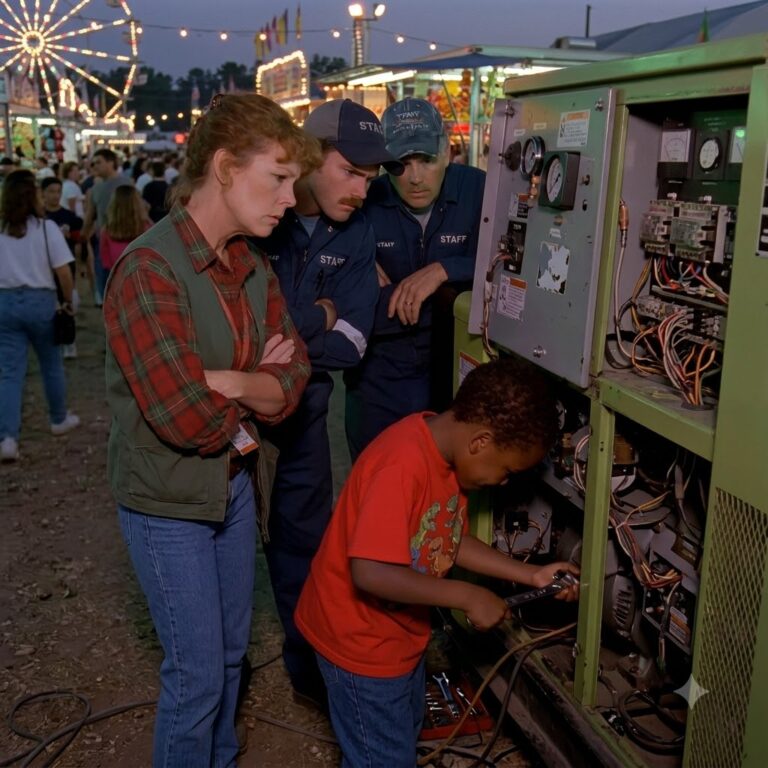
During the first trial day a tray came out unevenly baked because the oven’s thermostat drifted again. Evie rejected it and adjusted the schedule after testing the equipment. Caleb wrote the loss into the record without hiding the mistake from the café. The owner received fewer pastries that morning but praised the immediate notice and reliable replacement plan.
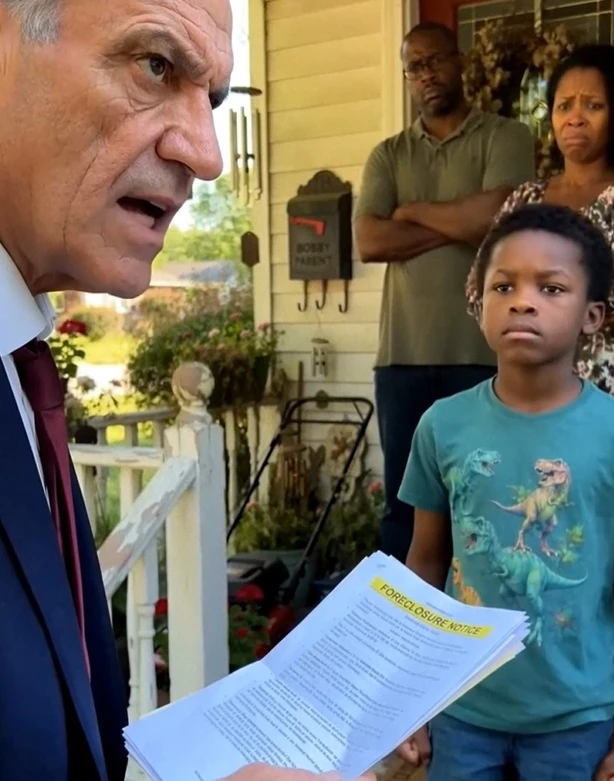
By the end of the week the pilot had produced steady orders and a list of improvements the bakery could afford with a modest loan. Ms. Collins said the numbers now supported a reasonable lease negotiation if Hart wanted the block to keep its local businesses. The next decision belonged to the adults responsible for safety, and he understood why.
Hart said he would consider it, but only after seeing whether Evie could run a holiday rush without falling behind.
—
Evie spent the next week refusing orders she could not safely fulfill. The decision seemed strange to customers who had heard the bakery was fighting to stay open. Caleb kept a list of what people requested most often, noticing that several families wanted smaller holiday bundles they could afford without buying an entire cake. He asked Rochelle whether an economical option might help both the customers and the shop.
The problem was no longer a private little challenge between a child and a man who underestimated him. Other people had schedules, paychecks, or hopes attached to the outcome. Caleb felt that weight, and for a moment wished he had stayed quiet.
Ms. Collins reviewed ingredient costs and helped the staff develop a small sampler box prepared during ordinary shifts. The bakery would earn less per box than on elaborate custom orders, but production was consistent and waste was lower. Rochelle insisted that the boxes be priced honestly rather than marketed as charity. People deserved to buy a treat without being made to feel poor.
Mr. Hart visited while Caleb updated the menu board. He asked why the boy had included a low priced option instead of pushing the most profitable item. Caleb replied that customers returned when they felt welcome, and that regular sales had helped the shop survive when expensive orders disappeared. Hart asked Ms. Collins whether the numbers supported the idea. She said the trial results did.
Evie received a letter from the neighborhood association inviting the bakery to participate in a winter market. Caleb was excited until he read the stall fees. He realized public attention could become another expense the shop could not carry.
The association offered a reduced fee for small local businesses, but only if the bakery completed its application by the following morning.
—
Rochelle took the winter market application to Ms. Collins and confirmed which charges were fixed and which depended on actual sales. They decided to bring only products the staff could prepare safely within existing schedules. Caleb helped design a handwritten sign showing ingredients and prices large enough for older customers to read from the sidewalk.