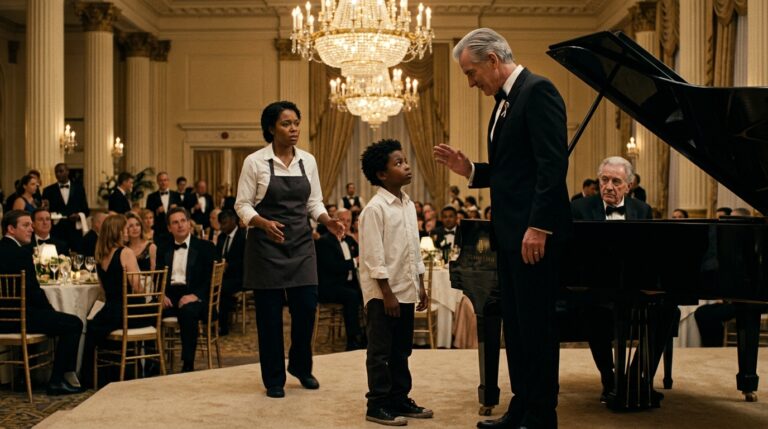
Then the cooperative invited the class to demonstrate its checklist at the county agricultural meeting.
—
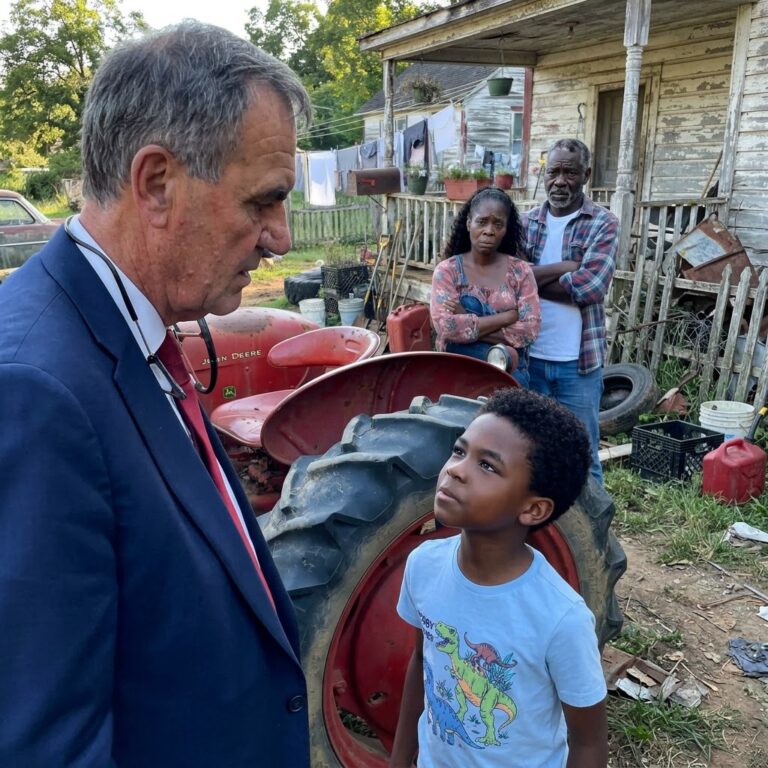
The agricultural meeting took place in a drafty community hall where older farmers leaned back in folding chairs and spoke loudly without microphones. Malik stood beside Ms. Ellis with copies of the checklist. He was afraid of being dismissed again, this time by strangers who had been running farms for decades. Amos sat in the front row wearing his best clean shirt.
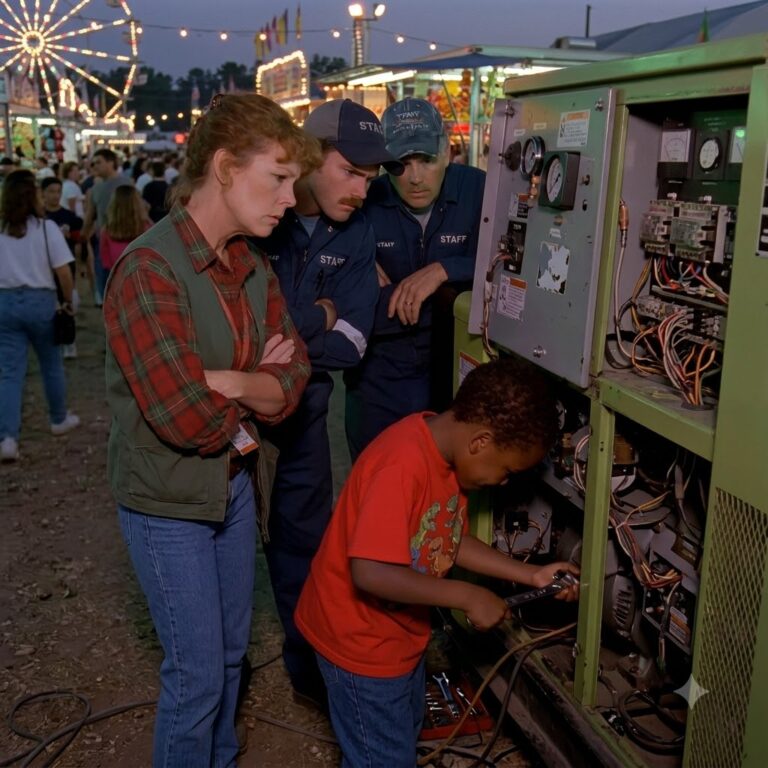
Even so, later he would remember the sounds more clearly than the compliments: shoes on concrete, a tool being put down gently, someone clearing a throat before changing an opinion. The machinery had not changed its nature because people were arguing around it. Malik watched the professionals work and kept revising the picture in his mind.
Daniel introduced the project as work completed by a group of students under adult supervision. He named Malik, the other children, and the teachers who helped. Someone asked whether the cooperative planned to hire children to repair wells. Daniel said absolutely not. The forms were for safer and more accurate communication, not for replacing qualified professionals.
Malik described the failure of his grandfather’s pump and how the notes helped identify the faulty valve. A farmer in the back questioned whether a small part could really cause so much trouble. Amos stood and said he had seen the water return with his own eyes. The farmer asked a second question, this one serious rather than mocking.
By the end of the meeting several people had requested copies of the forms. A woman who ran a rural clinic asked whether the school could adapt the checklist for families whose water systems failed during heat emergencies. Malik realized the idea might matter beyond farm repair bills.
Before he could answer her, a county official stood and challenged whether the forms had been tested for accuracy.
—
County extension officer Lena Ortiz said the checklist needed to distinguish normal observations from advice that might be unsafe. She had not come to embarrass the children, but several farmers assumed her criticism meant the project was worthless. Malik felt the room divide around him. People who liked him defended everything; people who distrusted him dismissed everything. Neither response seemed useful.
Still, an unfair remark can leave a person angry for hours, but anger is poor at explaining the size of a measurement. Malik had to choose where to spend his attention. He could defend himself against each insult or he could keep a record of what he observed.
Lena invited the class to work with extension staff on a revised version. She explained that a photograph of a leaking pipe could help a professional, but directions to open a pressurized system could endanger someone. Malik admitted his first draft had not been clear enough. Amos looked proud rather than disappointed, which steadied the boy.