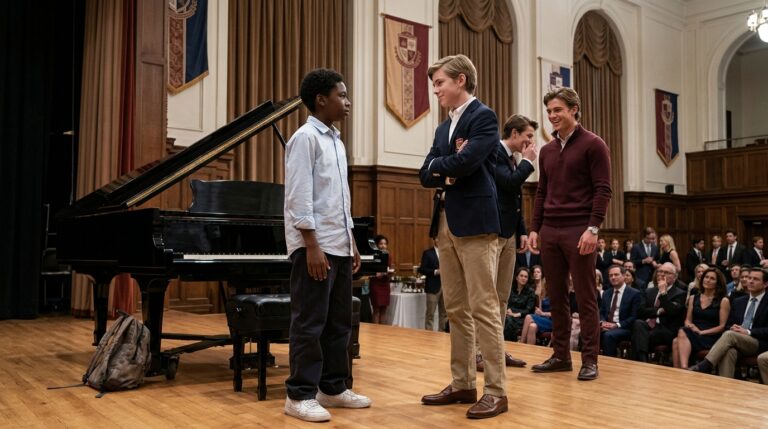
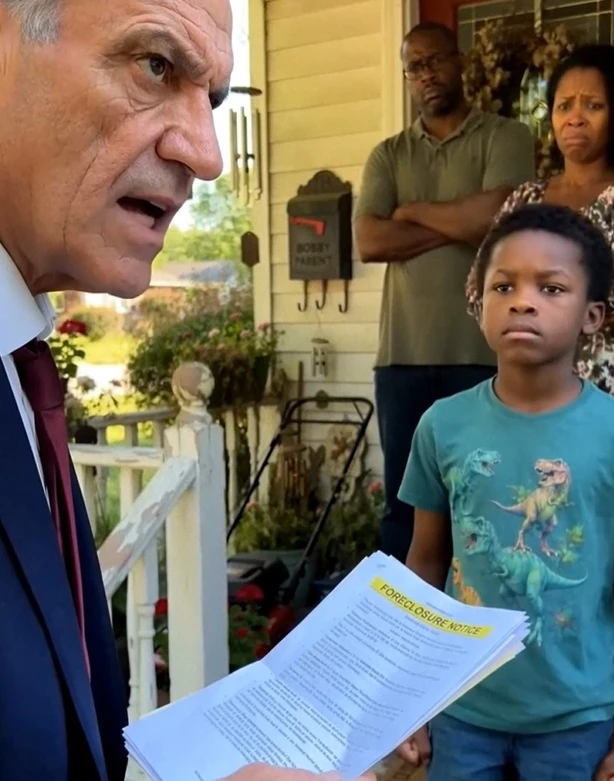
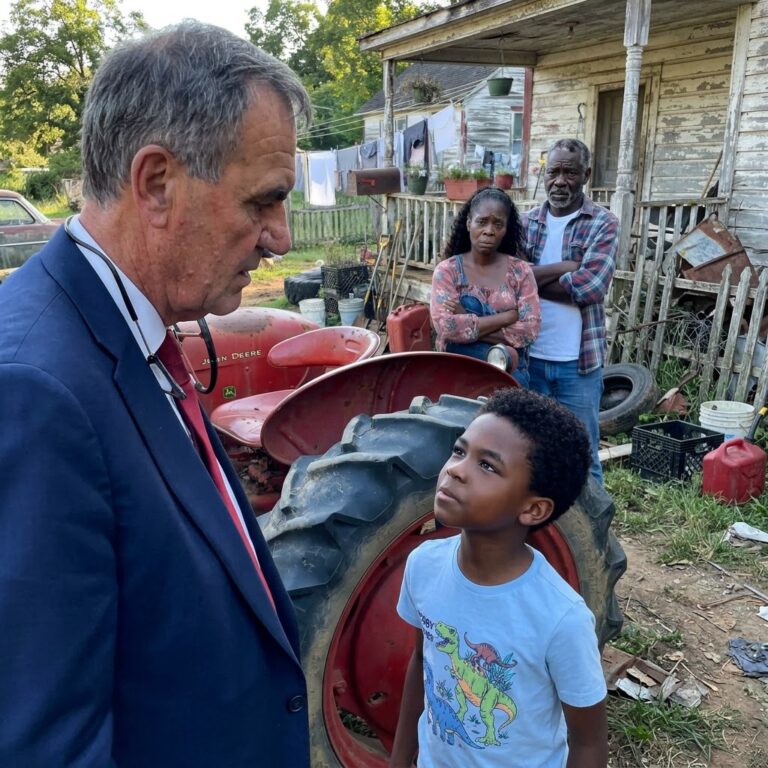
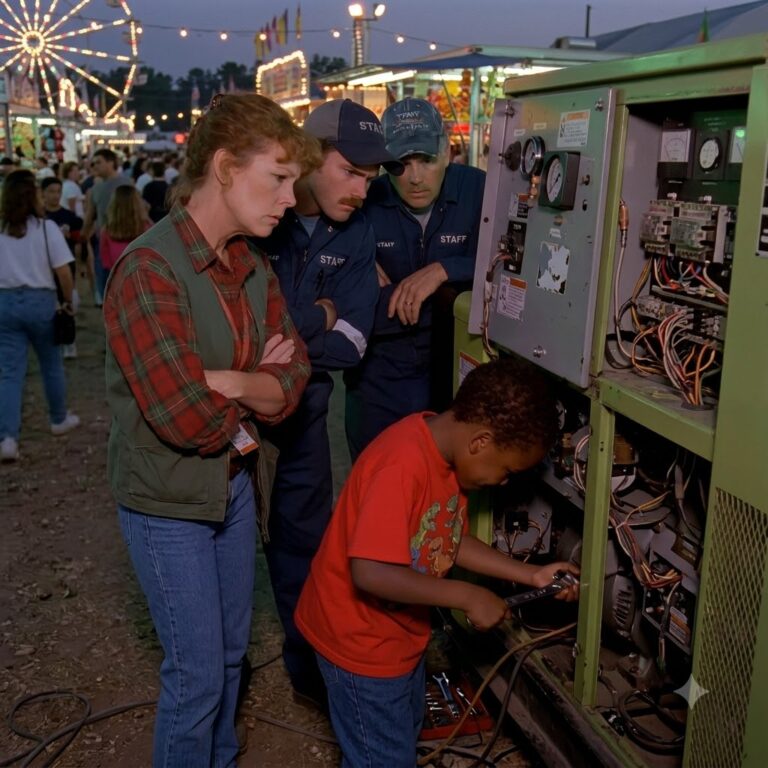
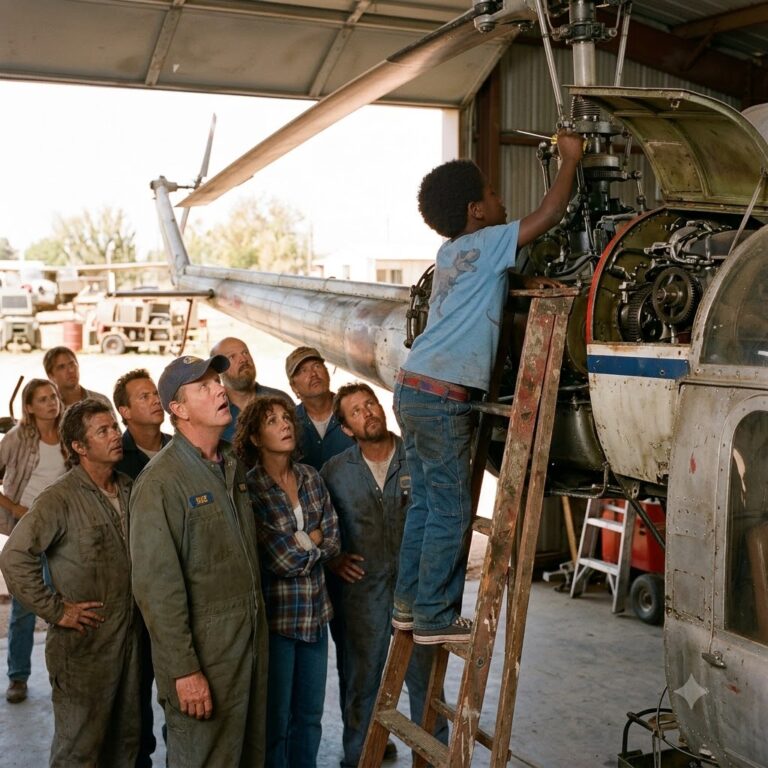
Nobody in that room knew the whole history of what Malik had learned. They saw his worn sneakers and the shirt he had outgrown. They did not see the evenings spent sorting screws into jars, reading manuals by a weak lamp, or asking a hundred questions of Grandpa Amos.
Daniel told the boy the cooperative was working on a mutual aid fund for members in emergencies. It could not cover everything, but pooled travel and parts purchasing might lower costs. Malik suggested that if technicians visited farms on one route instead of driving back and forth, several families could share the trip fee. Daniel pulled out a map and asked him to show what he meant.
They marked six farms with colored pins and compared distances. Malik had done similar route problems in school, but this time the numbers represented real people who needed working water systems. Denise helped calculate how much fuel the cooperative could save. The plan did not require anyone to work for free; it made ordinary work more efficient.
Lena verified that each visit would still receive the time and qualified attention it required. She warned that routing couldn’t override urgent safety needs. Malik agreed. The cooperative tried the plan the following week, and Mrs. Grady’s repair was grouped with two nearby jobs. She paid less and still received proper service.
When she thanked Malik, he discovered that being useful felt different from winning the argument with Brant.
—
Summer heat settled over the county. Water levels were lower than normal, and the cooperative began reminding members to follow local conservation guidance. The pump at Amos’s farm ran reliably, but a neighbor’s well no longer produced its usual volume. Malik had enough experience now to know he could not promise a simple fix.
Still, a sensible adult knows the difference between a helpful child and an unsafe shortcut. engineer Lena Ortiz insisted on that difference when excitement began outrunning judgment. The equipment would be secured, the proper tools used, and the work checked by people authorized to do it. Malik listened closely.
At school a boy named Tyler accused him of being famous for turning one rusty handle. Malik wanted to shout about the weeks of forms and meetings that followed. Ms. Ellis intervened, not to defend him as a hero but to ask Tyler what problem he would solve if the class had no budget. Tyler said he did not know. Malik offered him a pencil.
The students worked on a water tracking chart families could use without installing expensive devices. They tested it on ordinary household containers, measuring daily use and checking where the numbers could be misleading. Lena reviewed the project to ensure it did not make unsafe claims about well capacity. The work was less glamorous than repairing a pump and surprisingly difficult.