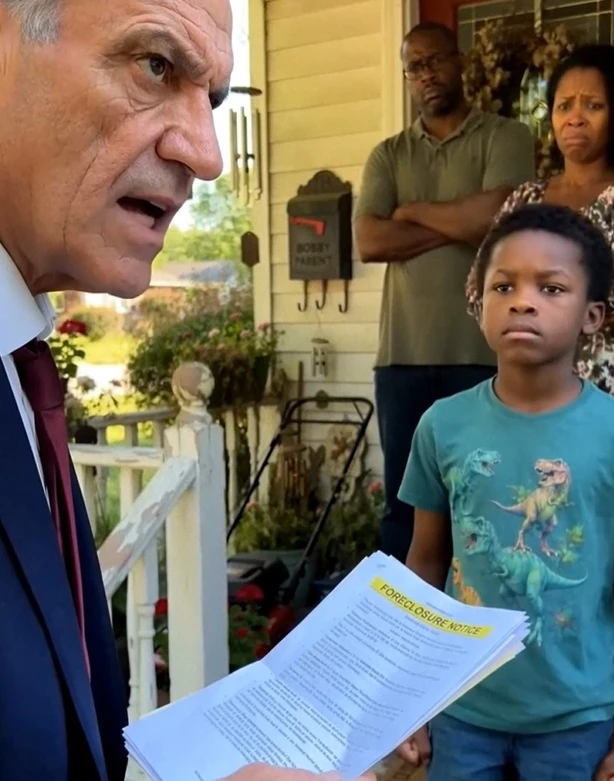
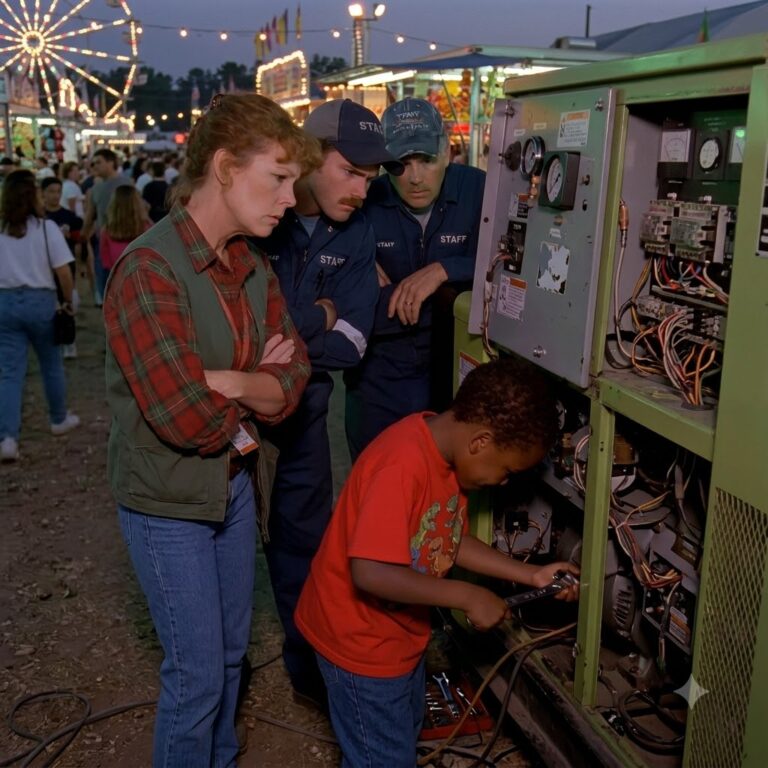
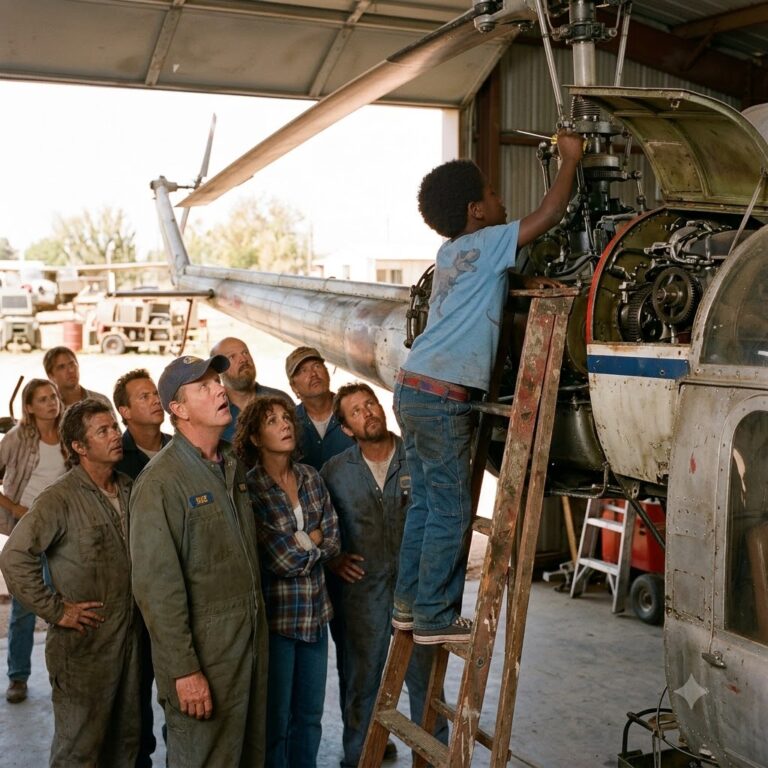
Denise watched her son take notes while older men argued about whether a school project deserved public attention. She had learned from nursing that a simple form could help people describe symptoms without telling them how to treat themselves. She suggested a bold sentence at the top: “Do not attempt electrical or pressurized repairs without qualified help.” Lena agreed.
By the end of the meeting the county offered to pilot the form at six farms, with staff checking each reported fault. Brant complained the trial was a publicity exercise. Daniel said the results would decide whether it was useful. Malik understood that success now required more than a stream of water from Grandpa’s pump.
Lena handed him a clipboard and asked if he was ready to learn why some good ideas fail in the field.
—
The six-farm pilot exposed problems immediately. One farmer misidentified a broken pipe as a loose valve because the drawing looked similar. Another had never written down a date and guessed at the failure sequence. Malik wanted to correct the forms for them, but Lena said that would hide the weakness of their design. They needed to know where a real user became confused.
The problem was no longer a private little challenge between a child and a man who underestimated him. Other people had schedules, paychecks, or hopes attached to the outcome. Malik felt that weight, and for a moment wished he had stayed quiet. The difference was small enough to overlook and important enough to remember.
At lunch he sat outside the extension office with a sandwich Denise had packed. His best friend Curtis asked why he kept working on a form that adults seemed determined to criticize. Malik answered that the farmers still had broken equipment. A form that made him look clever but failed to help them was not worth keeping.
Lena suggested using simple sketches of the whole pump rather than isolated parts. Ms. Ellis brought students back to the classroom, where they redrew the pictures from the user’s point of view. They added spaces for people to describe a sound in their own words, a lesson Malik learned from Amos’s old notebook.
The revised forms helped technicians find two routine faults on the next visits. One job still required a full replacement, and the county recorded that openly. The point was not to make every problem cheap. It was to avoid unnecessary guesses and tell families honestly what they faced.
When Malik showed the results to Amos, the old man pointed to one farm and said its owner could not afford even the smallest repair.
—
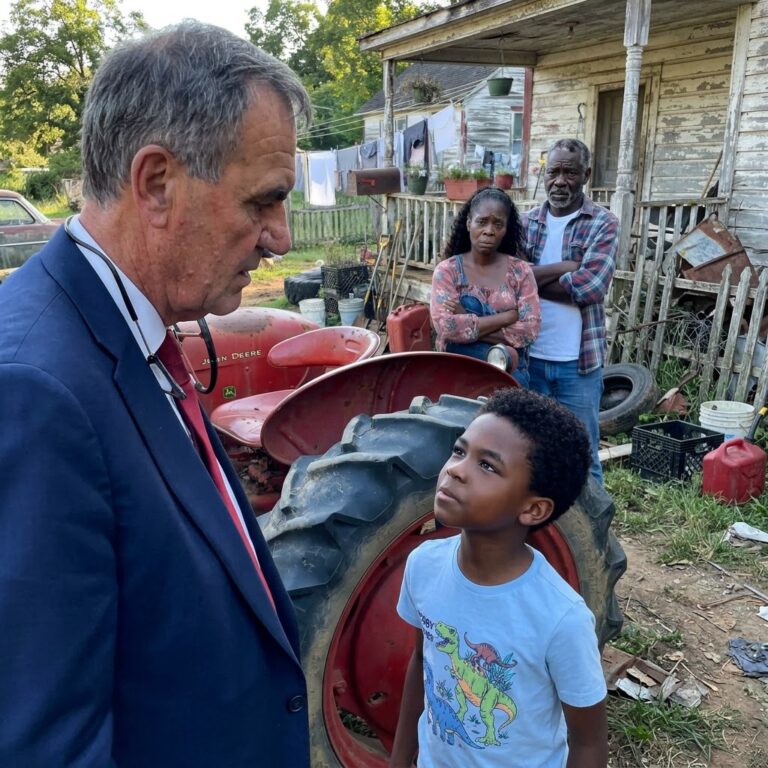
The woman was named Mrs. Grady, and she lived alone on a small property after her husband died. Her pump needed an approved part that cost less than a tank of gasoline, but the service call and travel would swallow her monthly grocery budget. Malik felt helpless. His checklist had found a problem without making the solution affordable.