—
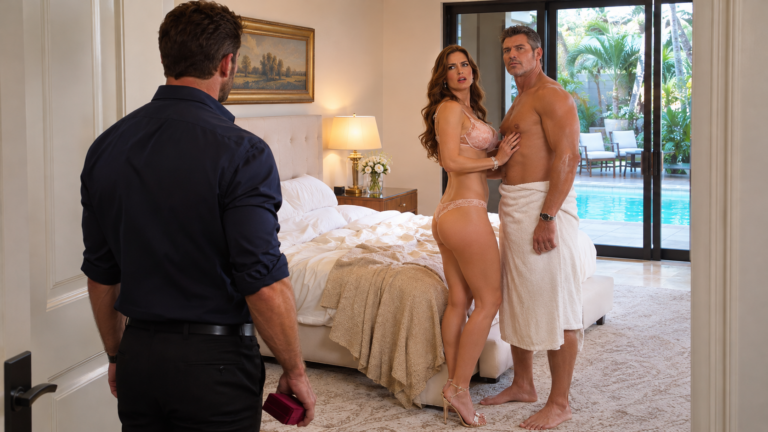
They met the following Sunday at a public park. Utah bought two coffees but didn’t sit until Lena chose a table.
“My first husband was controlling,” she said. “He checked my phone. He told me what friends I could have. I was scared of becoming that small again.”
Utah listened without trying to contradict her memory. He had met her long after the first marriage ended; he could not know everything that happened inside it. Her experience deserved to be taken seriously. So did the differences between that marriage and theirs.
“Then why threaten to accuse me of the same thing?” he asked.
“Because I knew it would make you back down. I hated hearing myself say it. I said it anyway.”
That admission hurt more than the affair. Utah had spent months wondering whether his requests were unreasonable. He knew he could sound jealous, and he had apologized for his tone. But he had never kept her inside the house, demanded her passwords, or prevented her from working. She had used a serious accusation as leverage during an argument about trust.
“If you feel unsafe with me, we need to take that seriously,” he said. “But if you used those words to end a conversation, that’s serious too.”
Lena nodded. She offered to apologize in writing and seek counseling, whether or not they stayed married.
Then she asked the question he’d been avoiding.
“Are you going to divorce me?”
He looked toward a father helping a child learn to ride a bicycle on the path. He remembered how certain he once felt that their differences could make them stronger. It was possible for two people to love each other and still stop being trustworthy partners.
“Yes,” he said. “I think we should.”
Lena began to cry, but she didn’t call him a fool. She asked whether there was any way to change his mind. Utah told her he wouldn’t make promises from pity.
When he returned home, a letter from Evelyn was waiting on the kitchen counter. His mother had written it before she knew the marriage was ending.