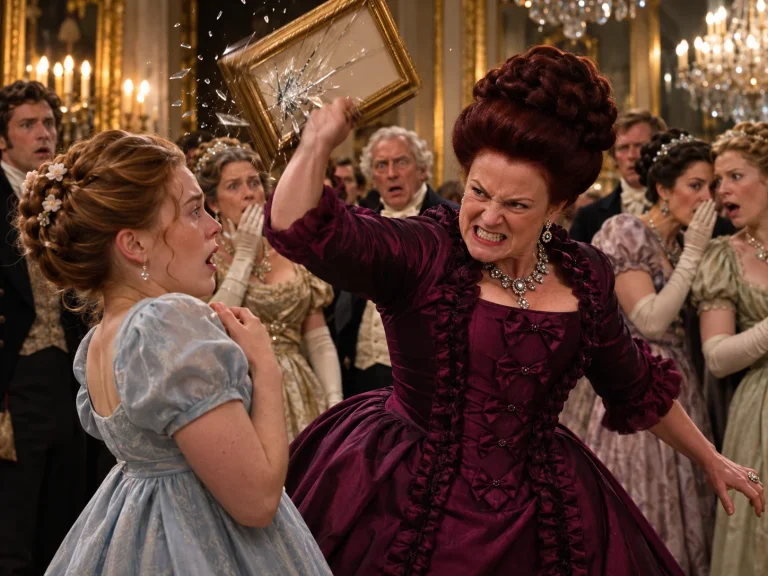
Lord Rook demanded to defend his actions. Under guard, he admitted arranging the proposed marriage and redirecting correspondence, but insisted he had acted to protect the eastern estates from a reckless daughter. He denied ordering harmful medicine. The council did not resolve that question by force of accusation; it appointed magistrates to examine the dispensary records and hear witnesses.
“You may dispute my judgment,” Helena told him. “You may not borrow my authority to silence my daughter.”
Rook laughed bitterly. “You were happy to be silent when it suited you.”
She could not deny it. He had built his influence in the space left by her unwillingness to hear unpleasant truths.
While the council argued, Harry remained with Sena. He knew nothing of the petition until Thomas entered with a stack of messages. Villagers from Briar Fen had heard that Sena’s name was being questioned. They sent notes thanking her for the school roof, the bell, and the broth she carried when no carriage would travel the roads.
Thomas read them aloud. Sena listened with her eyes closed. One letter from a child ended, “Please tell the princess our bell still works.”
She reached for the paper. “Then I suppose,” she whispered, “I still have something worth living for.”
—
By the seventh morning after Harry’s arrival, Sena could sit upright for a few minutes. She was still pale and thin. The fever had not vanished through love alone; it had yielded slowly to careful treatment, nursing, and the strength of her own body. Dr. Vale warned that recovery might require months and that she could suffer relapses.
The queen thanked him for telling the truth. Then, to his surprise, she thanked Harry and Ada for doing the same.
Lord Rook’s arrest had exposed an uncomfortable web of financial dealings. The eastern estates had paid for improvements that never reached their villages. Felix surrendered his claim to the proposed marriage and offered documents from his uncle’s office.
Yet Sena cared little for the paperwork when she could finally speak without coughing. She asked Harry to sit beside her and tell her whether he still wished to stay.
“I wanted you when you wore a plain cloak in the rain,” he said. “I want you now. But I won’t be the reason they take away everything that gives your life meaning.”
“You are not the reason,” she answered. “They were taking it away before I met you.”
Thomas stood by the window, pretending to admire the view. Helena, who had entered unnoticed, heard every word.
She remembered Sena at ten, refusing to walk past a hungry stable boy. She had scolded her then for embarrassing the household. It struck her that she had been trying to remove that inconvenient compassion from her daughter ever since.