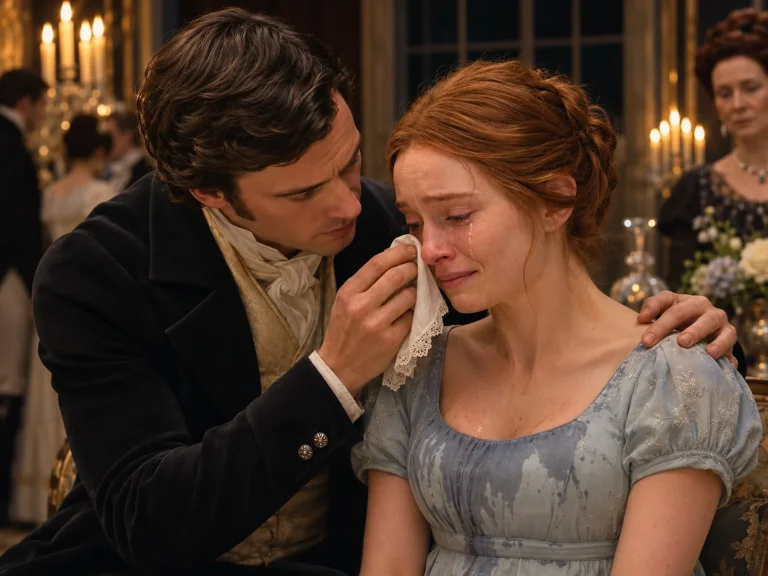
Felix visited once to apologize. Sena accepted his regret without offering the affection he had never been owed. He returned to his own estate and began helping auditors recover money that had disappeared from the eastern accounts.
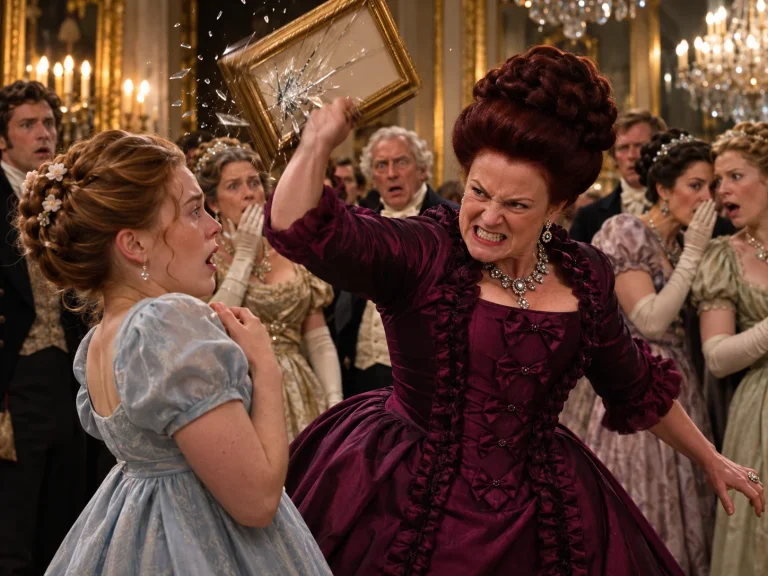
In May the queen called her daughter to a private audience. Helena wore no ceremonial crown. She spoke as a mother who had watched her child nearly die.
“I believed rank would keep you safe,” she said. “I was wrong to treat your heart as a danger.”
Sena answered carefully. “I need you to respect the person I am, even when the court disapproves.”
Helena nodded. She would not pretend the kingdom’s customs could be changed in one day, but she would no longer use them to force a marriage. She granted Sena the freedom to decide whether to retain her court duties or establish a life outside the palace.
Sena chose both service and love. Harry agreed to work with Dr. Vale and Ada on a charitable infirmary, without claiming to possess a cure for every illness.
When he asked Sena to marry him, she answered yes. The queen’s next words surprised them both.
“May I help plan the wedding?”
—
One year after the winter when the palace bells had sounded like funeral warnings, a bell rang above the door of the Briar Fen infirmary. Its paint was yellow, just like the schoolroom bell Sena remembered through her fever. Beneath it hung a sign bearing the names of the people who helped make the place possible, including Samuel Fletcher.
Sena worked at a desk near the window, reviewing requests for blankets and food. She had married Harry in a ceremony the previous autumn, choosing a gown and inviting the village nurse before any noble guest. The queen attended. So did Dr. Vale, who sat beside Ada Marsh and argued cheerfully with her about which patients were most stubborn.
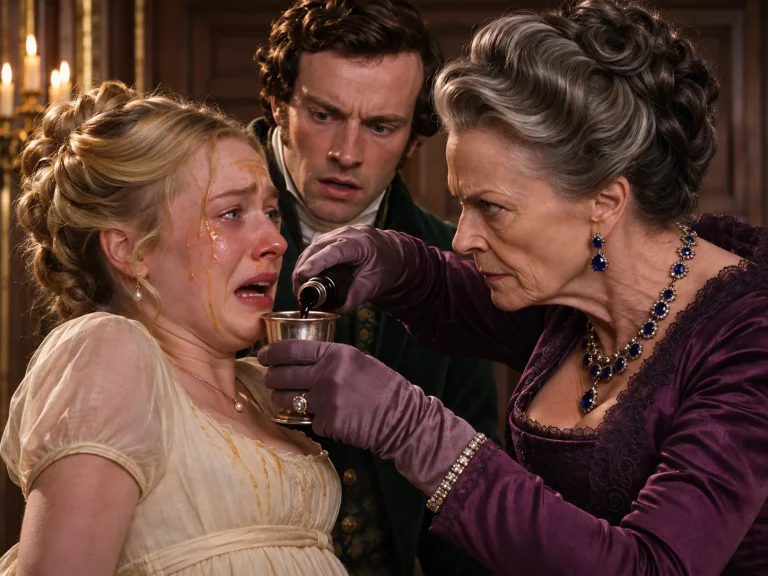
The infirmary was not a palace of miracles. Some people recovered, others required care the building could not provide, and sometimes staff had to tell grieving families that they had done everything within their knowledge.
Harry came from the examination room carrying a tray of clean cups. He paused to watch Sena sign a letter to the queen asking for repairs to a flooded footbridge.
“You’re working too hard,” Harry said.
“You said that yesterday.”
“And I was correct yesterday.”
Sena laughed and let him take her hand. Her strength had returned, though cold mornings still tired her. The memory of the sickroom remained part of their lives, but no longer ruled them.
Outside, a girl rang the yellow bell because her grandfather needed help. Harry opened the door without asking their names or whether they could pay. Sena watched him welcome them inside. She remembered her mother’s frightened face, her brother’s desperate arrival, and the kiss Harry had placed upon her burning hand.
At last she understood what had saved her heart: not a title, but people who refused to leave.