—
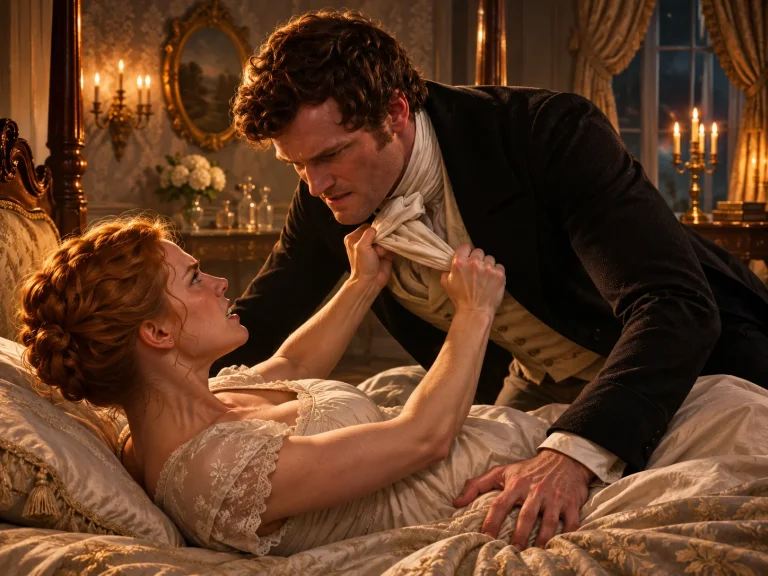
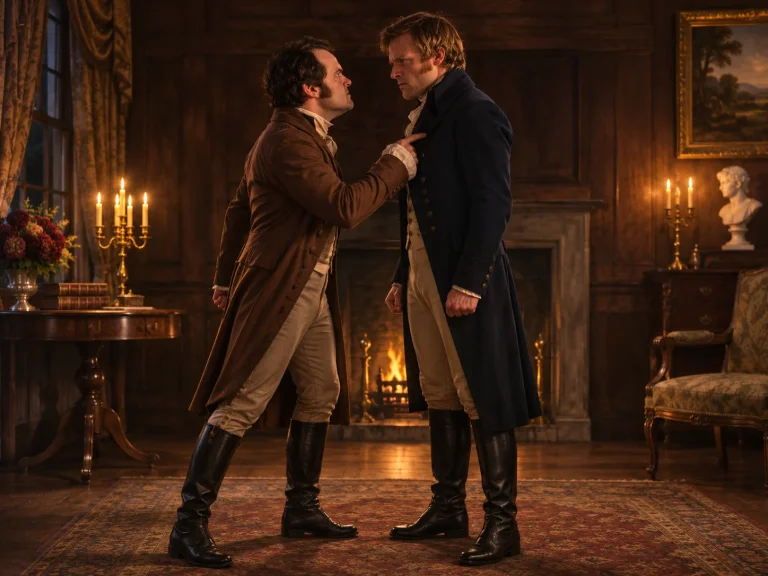
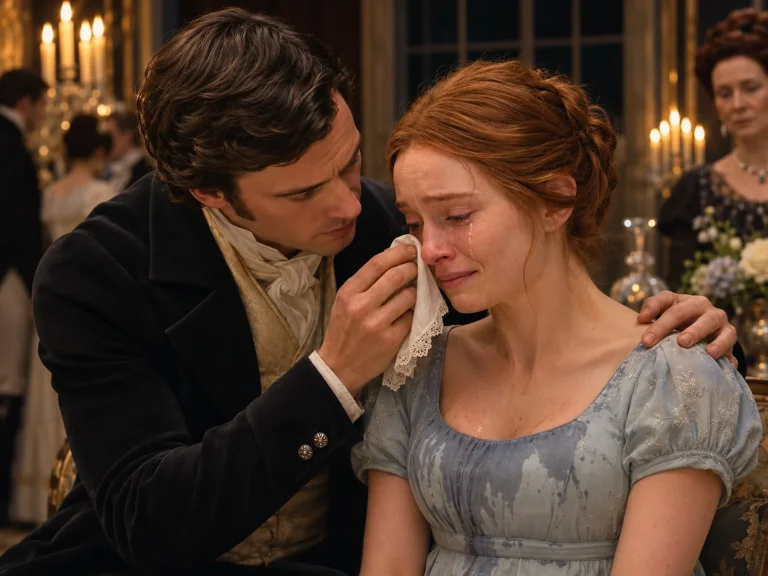
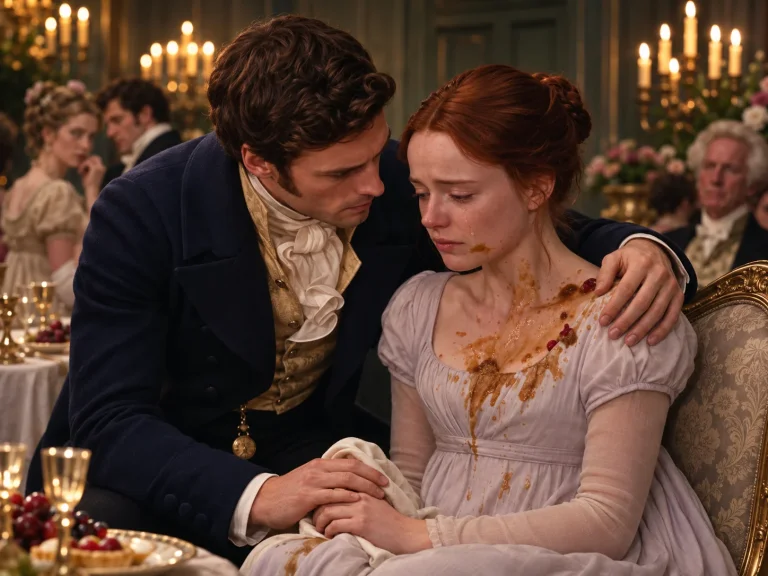
Declan had been raised to believe that his father, the late Duke Richard, was a reserved but honorable man. Richard had died when Declan was twenty, leaving him the title, the estate, and a household accustomed to obedience. Cecily had guided him through the first difficult years, advising him on tenants, accounts, and the responsibilities of the dukedom. He had never questioned his parentage. The family portraits showed Richard beside Cecily, and Declan remembered his father’s quiet voice and the broad hand that rested on his shoulder. Yet his mother’s words had opened a door he had not known existed. “Who was my father?” he asked. Cecily looked toward a locked cabinet. “Your father was the man who raised you.” “That is not what I asked.” At last she admitted that before marrying Richard,
she had worked as a companion and maid in the household of his elder brother, Lord Edmund. Edmund had been the first son, expected to inherit the dukedom. Cecily said he had treated her as a person when everyone else treated her as staff. “Did he love you?” Declan asked. “That is not a question you should ask.” “Was he my father?” She turned toward the window. “The past cannot be brought into this house without hurting people who have already suffered.” Declan felt anger rise, but beneath it was a deeper unease: the sense that his life had been arranged around a truth everyone else knew. In the corridor he found Sella carrying mended shirts. She stepped aside, but he stopped her. “Have you ever discovered that the story of your own life was written by someone else?” Sella studied his face.
“Not the whole story, Your Grace. But enough of it to know how lonely that feels.” The hallway stayed quiet as he passed.
—
The next morning, Declan rode to the village church where the family records had been kept for generations. Reverend Shaw greeted him with visible alarm. The duke rarely visited without sending word, and he had never before asked to see the old parish books. Declan requested the register for the year of his birth. The vicar brought a leather volume from a locked cupboard. Several pages had been repaired, and one entry had been scraped so carefully that the paper was thinner beneath the ink. The name beside Cecily’s was not Richard Ashcombe. It was Edmund Ashcombe. Declan read the entry twice. The date was three months before his birth.
The record described a private marriage witnessed by the parish clerk and a woman named Margaret Bell. A note in the margin stated that the certificate had been removed by order of the family solicitor. “Your grandfather feared a scandal. The younger brother married Lady Cecily afterward, and the household accepted you as his son.” “Was the marriage real?” “The entry is real. Whether the certificate survived is another matter.” Back at Ashcombe House, Declan found Sella in the stable yard asking a groom whether a letter could be sent to her sister without passing through the house steward. He understood the need for a private channel better than he had the day before. He invited her to meet him in the library and showed her a copy of the register.
He did not ask her to solve his family. He only told her what he had learned. Sella read the names carefully. “Your mother must have been very frightened.” “So was my father, apparently.” “Which father?” she asked gently. Declan looked at the page again. For the first time, he understood that the question had more than one answer.