—
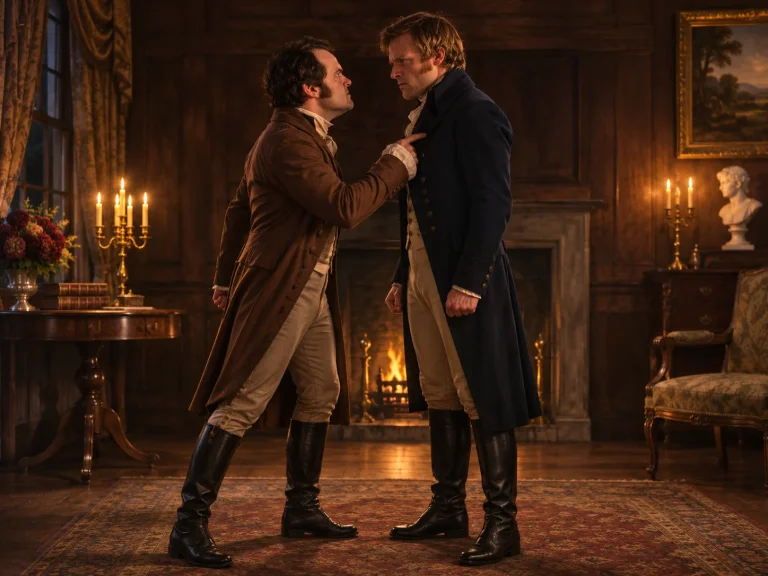
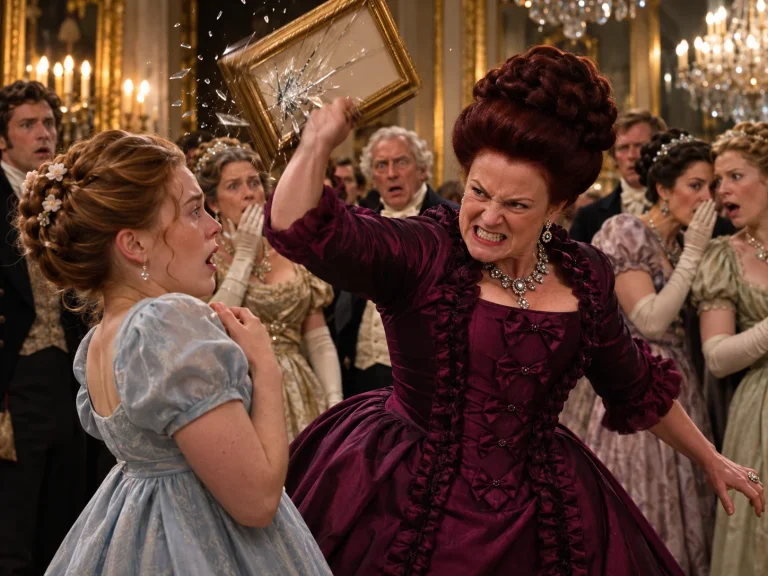
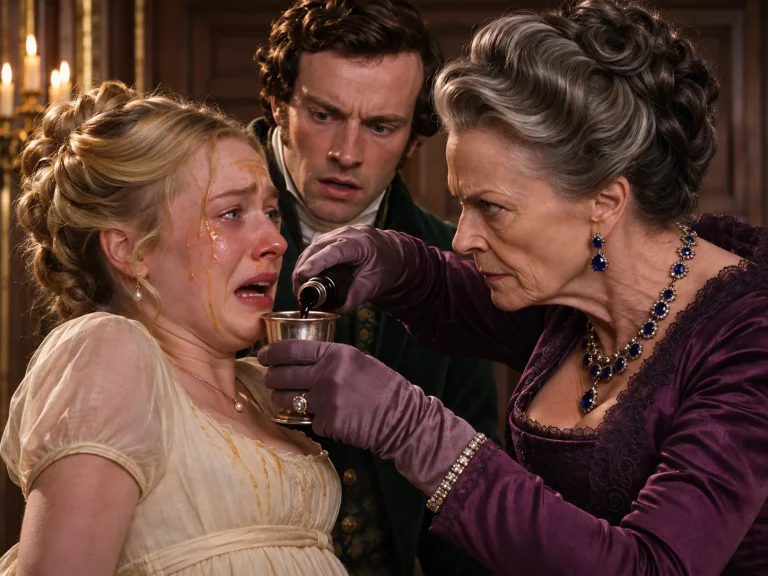
The drawing room filled before dusk. Irina had invited the family solicitor, two cousins, and several neighbors whose opinions mattered to the county. She expected Cecily to deny the marriage and Declan to retreat. Instead, he entered with the parish register and Edmund’s letter in his hand. He asked Mr. Harcourt to confirm whether the register was genuine. The solicitor examined the page, date, and signatures. The entry appeared authentic, but the original certificate would be needed to determine the marriage’s legal effect. Irina laughed. “A servant’s marriage to an heir? A convenient story.” Cecily turned toward her. “I was a servant. I was also a woman married in a church, before witnesses, to the man who loved me.” The room went still. Declan faced Irina. “You have used my mother’s former position to humiliate her.
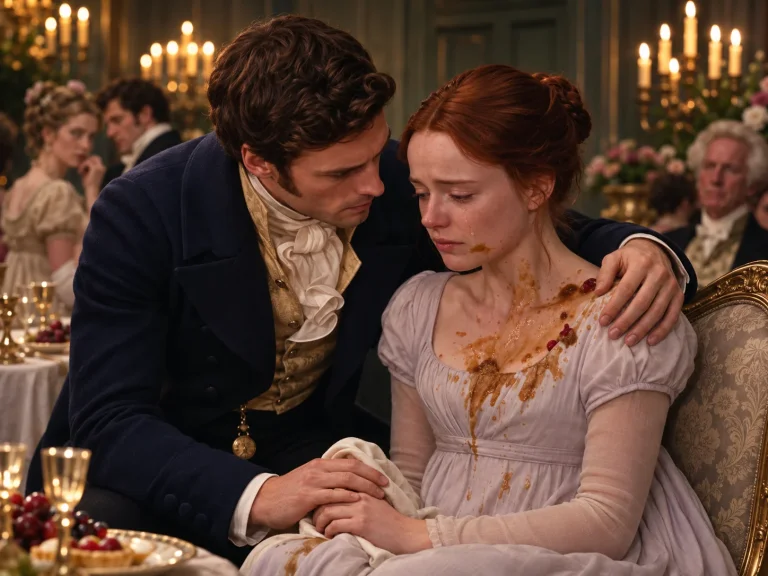
You have used Sella’s position to humiliate her tonight. Neither fact gives you the right to decide whose life is worth protecting.” Irina replied that Sella had no place in the family. Sella stood near the door and did not answer. Declan had invited her so she could hear the truth directly, not because he expected her to defend him. Mr. Harcourt explained that the inheritance would require formal review. Richard had acknowledged Declan as his son, and the estate had been settled accordingly. If Edmund’s marriage was valid, it might strengthen Declan’s birthright rather than weaken it. The family could not settle the matter by argument in a drawing room. Irina’s confidence faltered. She had expected scandal to destroy Declan. Instead, the evidence suggested the family had concealed a legitimate marriage.
Cecily looked at her son. “I never wanted this to become public.” “Neither did I,” Declan answered. “But I will not let silence be used against someone else again.” Guests fell silent.
—
The search for the original marriage certificate took three days. Mr. Harcourt wrote to the parish office and to the solicitor who had handled Richard’s estate. A clerk found a packet of family papers stored in a chest that had not been opened since the funeral. Inside lay the certificate, bearing the signatures of Edmund, Cecily, the vicar, and two witnesses. One witness was Margaret Bell, the former housekeeper. The other was a groom who had retired to a cottage near Bath. His statement confirmed that he had stood outside the church and seen the couple leave together.
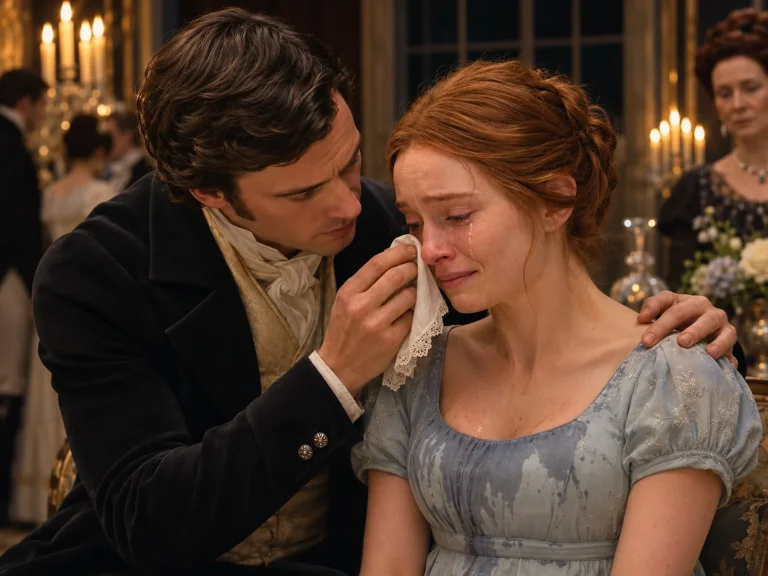
He remembered Edmund carrying Cecily’s traveling case and laughing because she had insisted on carrying it herself. The evidence made the family’s old explanation impossible to maintain. Edmund had married Cecily. Declan was their son. The estate solicitor advised that the succession be reviewed by counsel. The title could not be transferred by private agreement, but the family settlements and property trusts could be clarified. Declan did not celebrate. He felt as though the ground beneath his childhood had shifted. Sella visited him in the library. She had heard Irina telling servants that the duke might be stripped of his inheritance. She asked whether he regretted defending her. “No,” he said. “I regret that you had to be hurt before I found the courage to do it.” “You cannot undo what happened.”
“I can decide what happens next.” Sella reminded him that she was not ready to become a duchess. She wanted to keep sending money to her sister and have a home where she could read, work, and speak without being watched. Declan listened. For once, he did not mistake affection for permission to decide another person’s future. The solicitor promised to return once the parish office confirmed the remaining signatures.