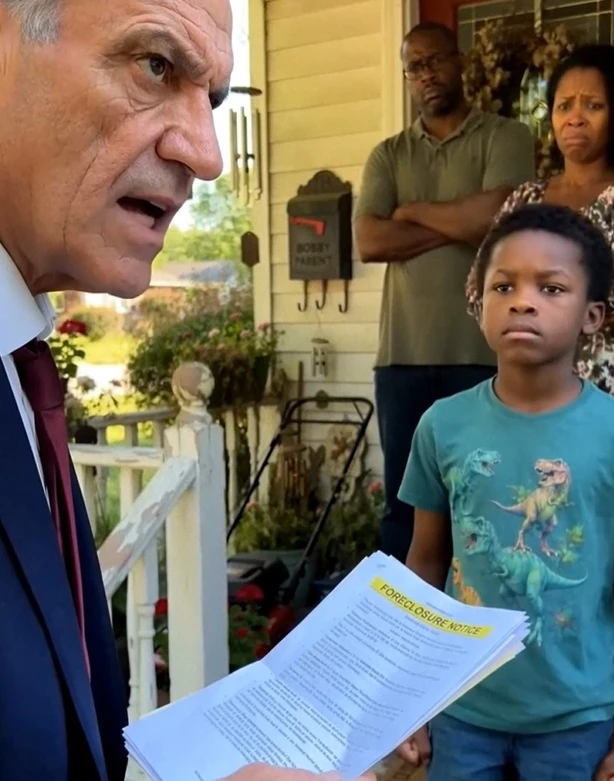
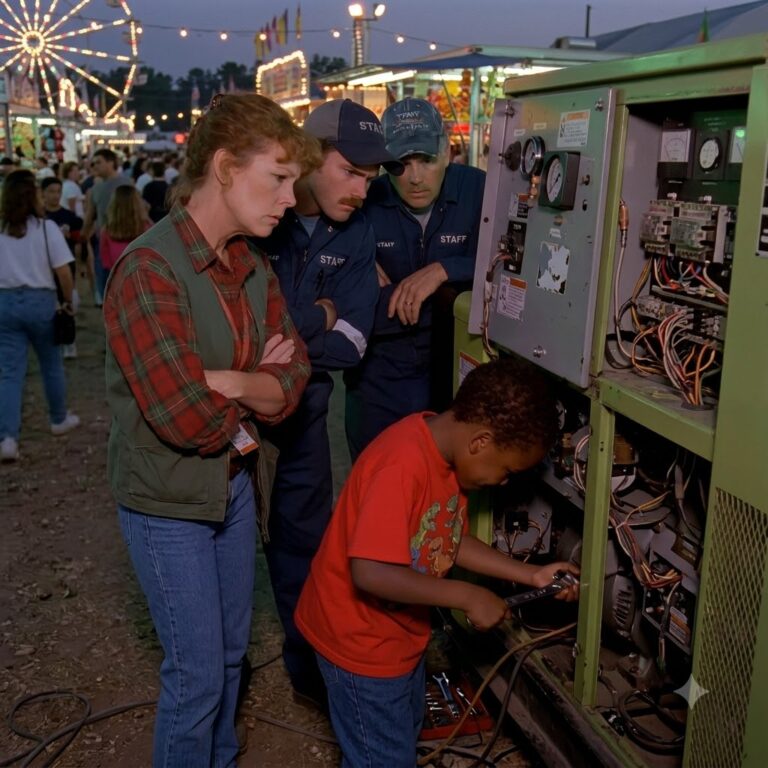
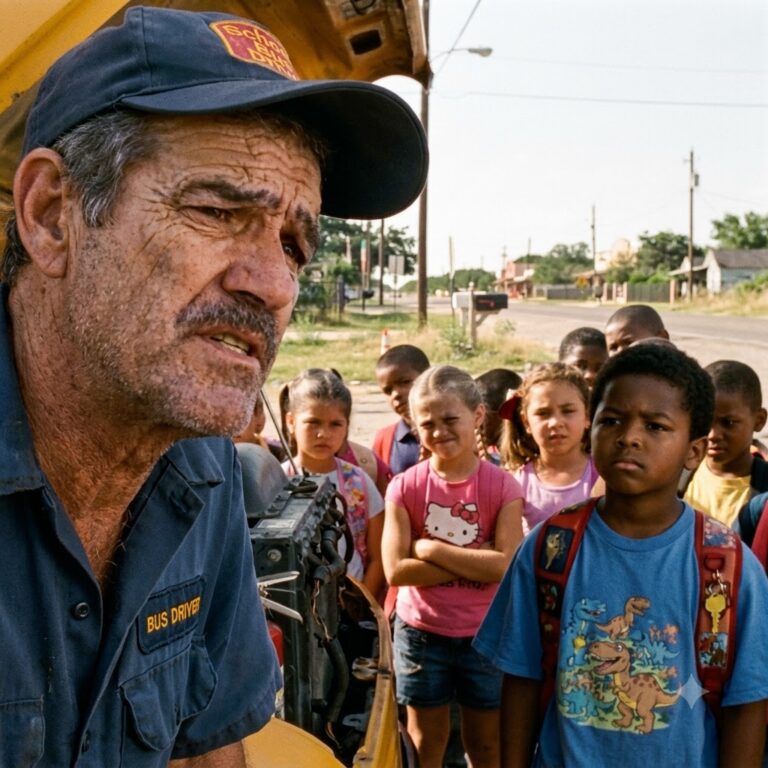
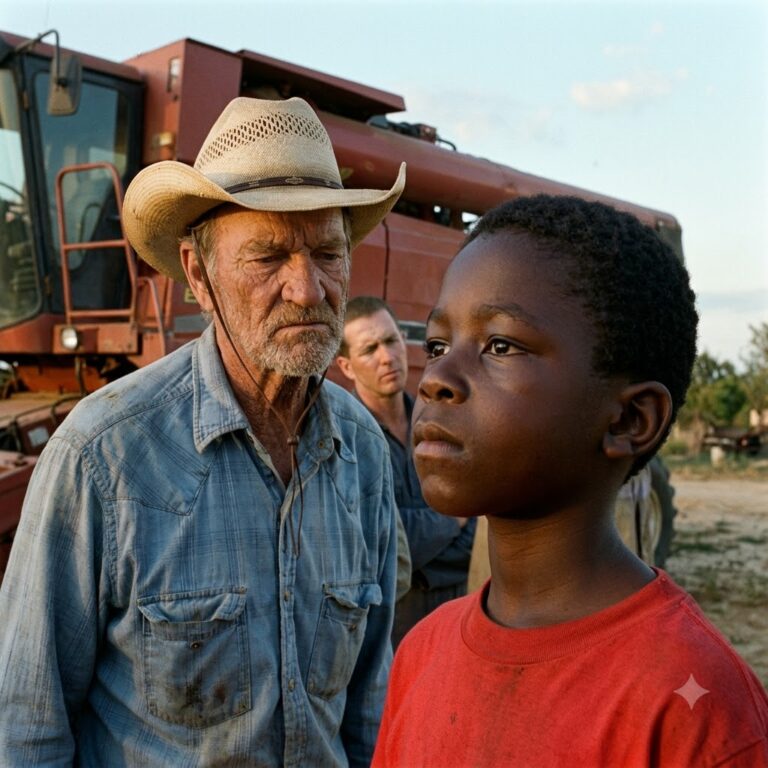
The question of what to do with success mattered more than the question of who had won the argument. Eli remembered friends who repaired bicycles with him, classmates who could not afford supplies, and adults who had once quietly lent him tools. With one more thought in mind, the evidence still mattered more than confidence.
The first practice model failed during demonstration. Eli could feel the old embarrassment rising, but he did not pretend the failure was a disaster. He asked the children to compare the drawing with what they could see. One girl noticed a loose classroom connector. Another suggested checking whether the light itself worked. They solved the problem together under the instructor’s supervision.
Deke visited the room and watched without making jokes. When a parent asked whether the children were too young to learn, he said the safe models were designed for their age and that trained adults handled any real machinery. He gave Eli credit for the lesson rather than taking it for himself. Renee noticed, and for the first time she believed the man might genuinely be changing.
The children left carrying notebooks full of crooked drawings. Mrs. Bennett said the hangar could offer more sessions after evaluating the pilot. Eli went home exhausted, with marker stains on his fingers and more questions than answers.
That evening Renee showed him the invitation to her certification ceremony, and he began preparing a gift.
—
Renee laughed when she saw the crooked circles and arrows. Eli had written underneath, “We learned this together.” She set the frame on her lap and cried through the ceremony speeches. Foster attended with April and Luis, standing in the back rather than crowding the family’s moment. They knew how much of the success belonged to evenings no newspaper had photographed.
Time passed differently after that. School days were still filled with homework, buses, dishes, and the ordinary embarrassments of being a child. The opportunity did not erase effort; it made effort count in a new place. With one more thought in mind, he wanted the explanation to be fair.
A month later Mrs. Bennett invited Eli to the hangar. An unused office had been painted and filled with donated practice boards, old manuals, and tables for children. On the wall a sign read COMMUNITY ENGINEERING SATURDAYS. The space would have volunteer instructors, clear safety rules, and no tuition for local families.
Eli was asked to lead a short lesson on keeping a notebook. Ten children arrived. Several had never been inside an aviation facility. One boy stood in the doorway and asked whether visitors were allowed to touch anything. Eli explained the classroom boundaries before showing the harmless models. He remembered how Foster had made safety feel like an invitation rather than a punishment.