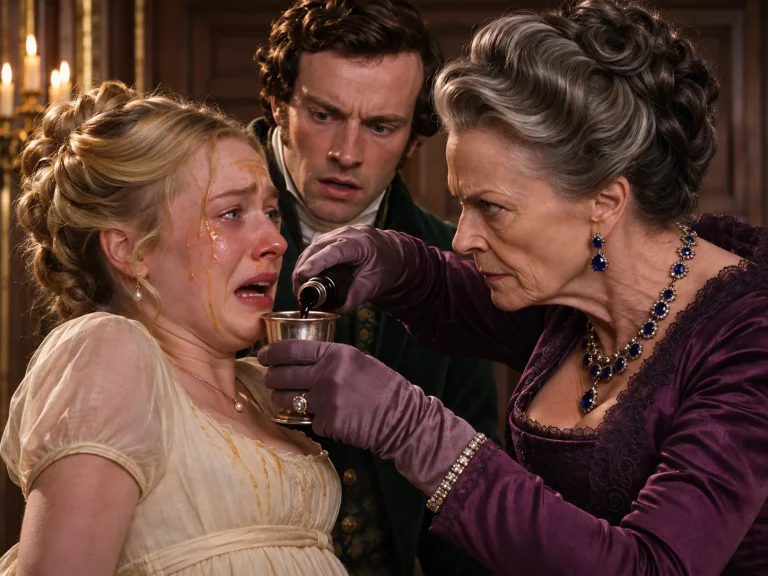
Clara turned. Margaret crossed the room and took both her hands, careful not to touch the stained fabric. “I have wondered for years why you stopped writing. I thought you had forgotten us.”
Beatrice looked sharply at the young woman. Julian’s expression changed. This was the first time someone other than himself had openly questioned the story of Clara’s silence. Margaret continued, unaware of the danger in her words. “I kept the little book you gave me after the bridge. You wrote my name inside it. I still have it.”
Clara smiled despite herself. “I am glad.”
“My brother wrote to you every month after he left. He used to ask whether you had answered. I thought you were simply too busy.”
The room grew still again. Beatrice said Margaret must be mistaken. Margaret shook her head. “I saw him seal the letters.”
Julian looked at Clara. He did not use the revelation to demand an answer. He merely said, “That is why I hoped we might speak.”
Clara’s heart beat faster. The past was no longer a story told only by her aunt. Another witness had entered the room, carrying a memory Beatrice could not easily dismiss. Clara looked toward the duke, her eyes bright with disbelief and the first fragile return of hope. Margaret’s arrival changed the room more than another argument could have, because she had no reason to protect Beatrice and no interest in the Whitmore accounts; her testimony could not be dismissed as mere loyalty.
—
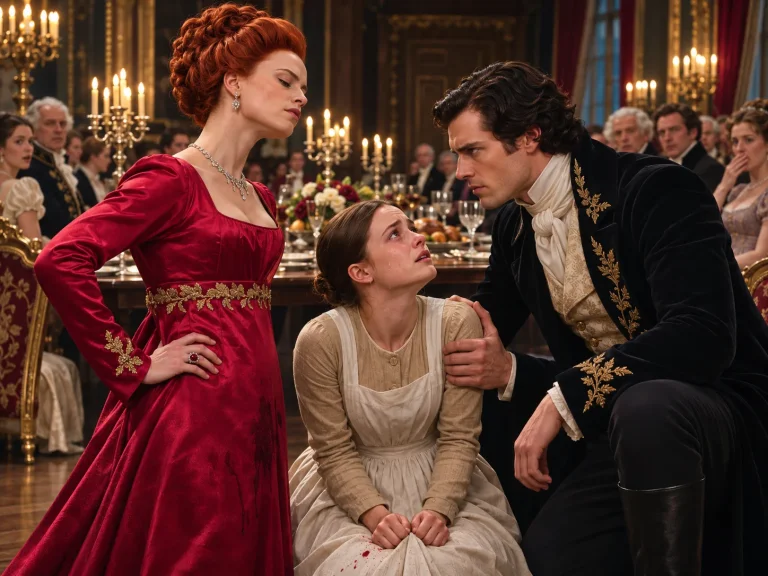
Beatrice tried to regain the room by announcing that the dinner had become tiresome and that the guests should return to the drawing room. Nobody moved at once. The magistrate, who had been listening quietly, asked whether there was any reason the duke’s solicitor had requested a copy of Sir Edward’s will. Beatrice’s face tightened. “That is a private matter.”
“Then it should be discussed privately,” the magistrate replied. “But if the document concerns a trust administered in this county, the proper records ought to be available.”
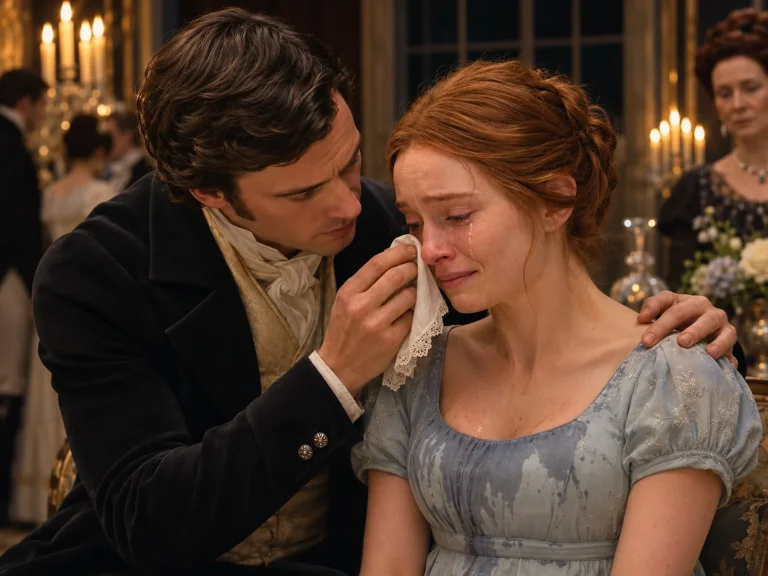
Clara looked at him with gratitude. She had not expected anyone else to ask the question. Julian said he would not discuss the legal matter during the dinner. He had not come to accuse Beatrice before witnesses. He had come to offer Clara a chance to hear the truth about the letters and to review the documents with independent advice. That distinction mattered. Clara did not want a public battle to replace the public humiliation. She wanted facts, time, and the ability to decide what happened next. Henry approached his mother and whispered something. Beatrice shook her head sharply. Clara could not hear the words, but she saw fear cross her cousin’s face. The servants began clearing the table. The evening’s carefully arranged order had broken apart. Guests gathered in small groups, speaking quietly. No one laughed at Clara now. Julian remained beside her, leaving enough space for her to move away if she wished. The offer was still there, but he did not repeat it. Clara finally looked up at him with an expression that held surprise, caution, and hope. Her lips parted, yet no answer came. The magistrate’s question left Beatrice with no graceful answer, and for the first time she seemed unable to decide which story to tell in public.