Harcourt called them clerical errors. Such mistakes were possible, Mr. Langley acknowledged, but they required explanations supported by records. He offered none. After twenty minutes he ended the meeting and left without shaking hands.
Outside, Eleanor found Westmere waiting beside his carriage. He had not entered because she asked him not to. She told him what had happened, including her fear that refusing the offer might lead to months of proceedings and painful gossip.
“You need not fight because I expect it,” he said.
“I know. That is why I can choose to fight.”
As they drove toward Hollowford, a letter arrived from Lady Lavinia. She had called an assembly of relatives to judge Eleanor’s behavior, and the duke was specifically forbidden to attend.
—
The family assembly took place in the same dining room where the portrait had been broken. Lady Lavinia had arranged the chairs in a semicircle and invited relatives who owed her favors. She believed an audience made her version of events authoritative.
Eleanor arrived with Mr. Langley and Mrs. Finch. She had asked Westmere to remain away. Her reputation, her property, and her parents’ memory were not matters a duke could settle by standing taller than everyone else.
Lady Lavinia began with a speech about sacrifice. Eleanor listened, then thanked her for every genuine kindness. She also asked why her mother’s letters had been withheld, why the cottage rents were missing from the accounts, and why Harcourt possessed documents Eleanor had never signed.
A cousin suggested that Eleanor was confused by grief. Mrs. Finch stood and described finding the duchess’s letter in the locked desk. Daniel Price’s statement was read aloud. Mr. Langley explained which financial questions remained unresolved and which allegations had already been contradicted by original records.
The room changed . Some relatives remained loyal to Lavinia. Others began asking about the bridge money and the missing account. The aunt tried to dismiss them, but for once her command did not end the conversation.
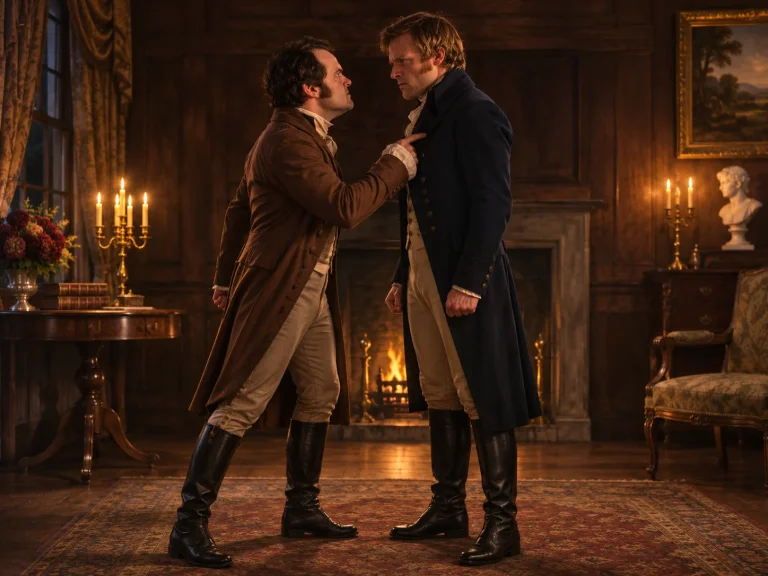
Finally she pointed at Eleanor. “You were nothing before I took you in.”
Eleanor felt the old urge to shrink. Instead, she remembered her mother’s hands warming a frightened child beside the river. “I was my parents’ daughter before I entered this house,” she said. “That was never nothing.”
Lady Lavinia rose so abruptly that her chair struck the wall. “You imagine the duke will marry you because your father once pulled someone from a river?”
Eleanor answered, “I have not asked him to marry me. I have asked you to tell the truth.”
—
Two weeks later the inquiry moved beyond family arguments. An independent accountant reviewed the bridge committee’s surviving ledgers and found that several payments had been redirected to a firm linked to Harcourt’s father. Responsibility was not simple, and Eleanor refused suggestions that every unexplained sum proved a crime.