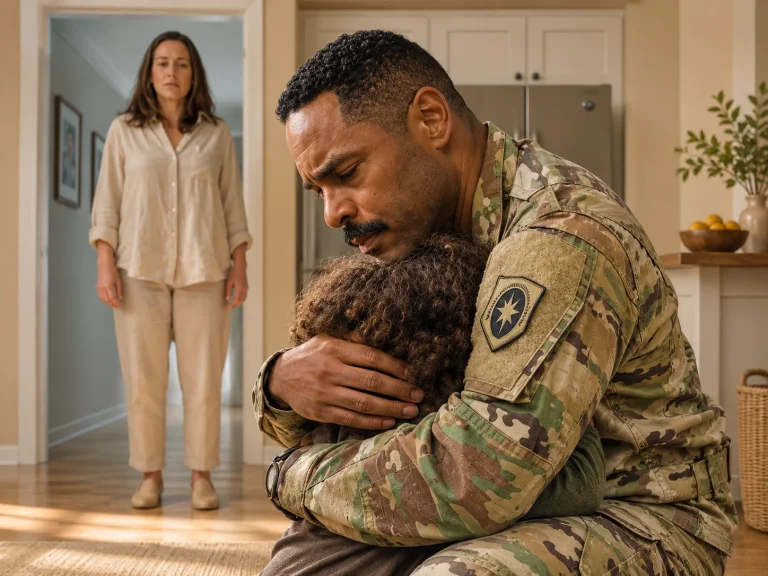
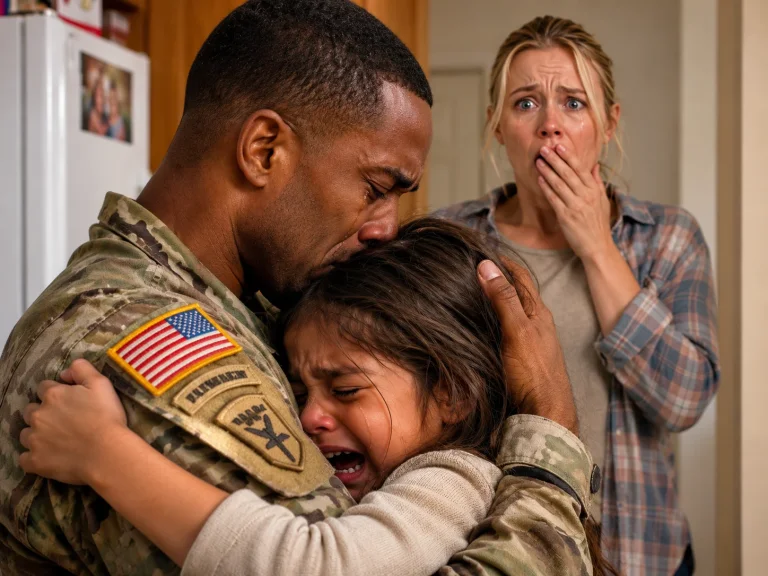
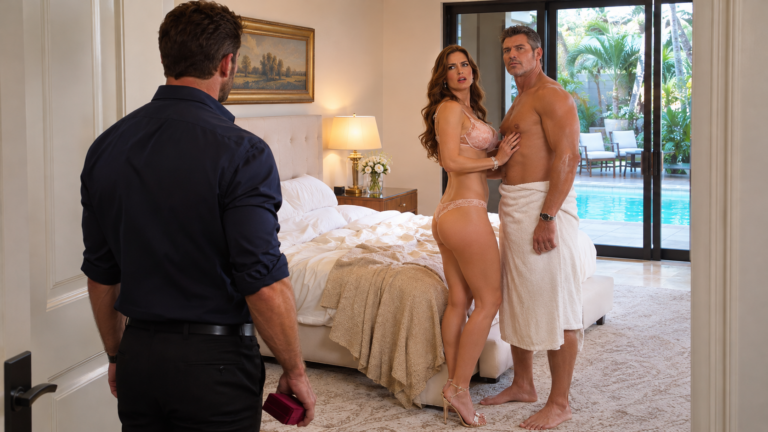
“Megan’s not going to let me see Lucy again, is she?”
I answered carefully. “That isn’t a decision I get to make for her.”
Then Beth admitted she had already called Megan and told her I was ending the marriage without an explanation.
—
I asked Beth why she had called Megan before we had even agreed on what to say. She looked away.
“I didn’t want her to hear something ugly about me from somebody else.”
“So you told her I was ending things without a reason?”
“I told her we were having problems.”
“You told her only the part that made you look abandoned.”
Beth sat down. “I didn’t know what else to say.”
There it was again: a difficult conversation had become a reason to let someone else believe a lie. I had spent months accepting smaller versions of that answer. I wasn’t going to accept it about my daughter.
Megan called the next morning. She would not carry messages between us or let Lucy be used to repair our marriage. She still cared about Beth, but the affair was our responsibility. Lucy needed only a simple explanation of the changed living arrangements.
I thanked her and went outside to repair the fence I had neglected since spring. For once, there was a problem I could finish.
Across town, Ellie canceled the anniversary dinner with a neutral note. Sam arranged for the bakery to donate the cake to a community meal. Diane thanked her children. The canceled celebration could no longer serve as cover for Caleb.
Diane asked Caleb to stay with his brother while they considered what would come next. He agreed after arguing that the locket had been only a foolish gift.
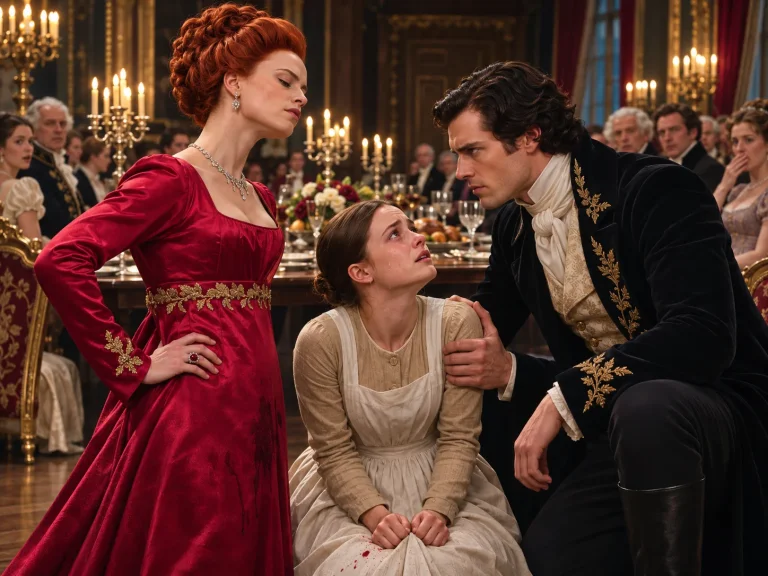
Ellie disagreed. “You didn’t just give away jewelry,” she told him. “You used Mom’s grief against her when she asked where it went. Then you told us she couldn’t trust her memory.”
Caleb asked what apology would make them satisfied. Ellie said she didn’t have an answer, and that he would have to stop treating forgiveness like a task with a deadline.
A week later, Diane received a letter from Caleb. He admitted the affair and the lie about the necklace. But the last paragraph blamed Frank for making a private problem public.
Diane folded it, called Ellie, and asked her to read that final paragraph aloud.
—
Ellie read Caleb’s final paragraph twice. He blamed the gathering at my house for making reconciliation harder, calling the confrontation an unnecessary humiliation.
Diane asked her daughter what she thought.
“I think he’s still talking about being embarrassed,” Ellie said. “Not about what he did.”
“That’s what I think too.”
Diane replied that a proper apology would not blame me. He needed to own the affair, the lies about her memory, and the stolen locket before asking to rebuild trust.