The Door in Pennsylvania
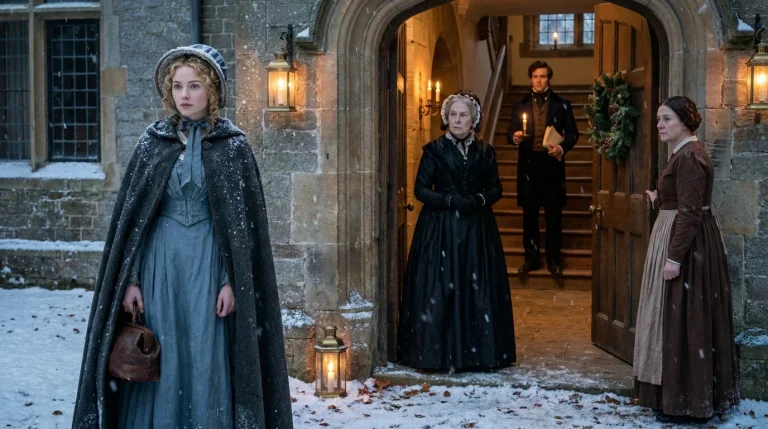
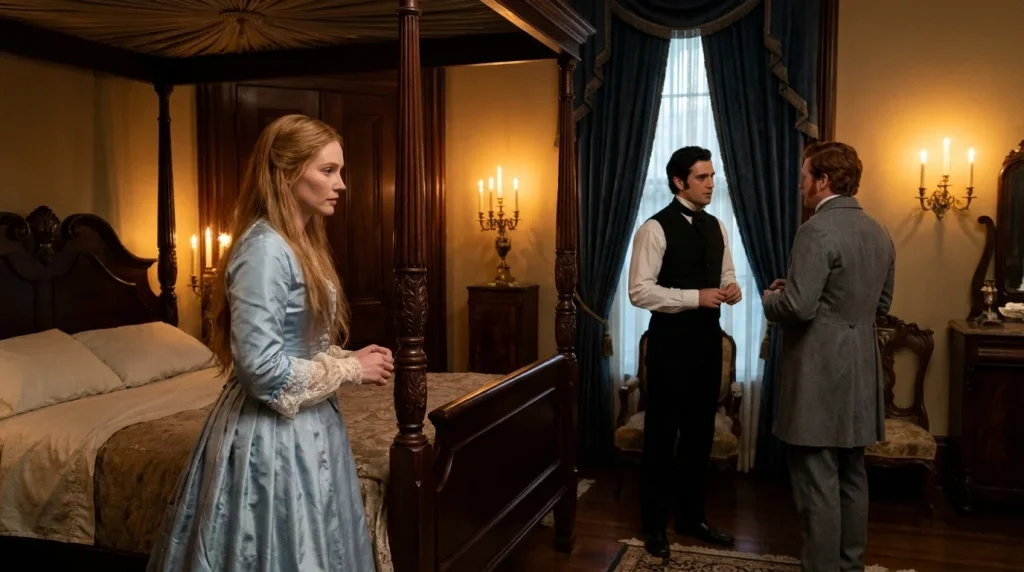
In the winter of 1865, Clara Whitmore’s cry crossed the upper corridor of the family mansion before the servants had finished trimming the lamps. Her husband, Henry, had forced her backward onto the bed and held her wrists while demanding that she sign a document she had refused to touch. The paper transferred control of her late father’s Pennsylvania ironworks shares to the Whitmore estate. Clara had told him that morning she would rather lose her place in society than sign away what her father had left her.
Thomas Whitmore, Henry’s younger brother, had returned from the war only that afternoon. He heard Clara’s voice through the bedroom door and stopped in the passage. For years he had promised himself that he would not interfere in his brother’s marriage. But the sound of her fear brought back a promise he had made to Clara before she married Henry: if she ever needed help, he would come.
He pushed the door open. “Release her. Now.”
Henry let go, then turned on Thomas with a fury that seemed larger than the interruption. Clara drew the coverlet around herself. Thomas stood between them. Henry accused him of protecting a woman who had always belonged to another man. Thomas answered that marriage did not give a husband the right to terrorize his wife.
Henry laughed and asked whether Thomas still believed Clara loved him. Thomas said nothing. Clara looked at both brothers and finally spoke. “Stop. I know who started all of this.”
Her words silenced them. She was not speaking only of the quarrel in the bedroom. She was speaking of the letters, the debts, and the lie that had divided the Whitmore brothers before either understood what had been done to them.
The Marriage Contract
Clara had married Henry two years earlier, after her father’s ironworks suffered a disastrous fire and the family’s creditors began circling. Henry offered security and a respected name. His mother, Lady Margaret Whitmore, presented the match as a rescue. Clara’s father believed the marriage would protect the business until the mills recovered.
The wedding contract contained a clause that seemed ordinary at the time: Clara’s shares would remain hers, but Henry would manage them while she lived at Whitmore Hall. She had agreed because she trusted the family solicitor and because her father was too ill to review every page.
Thomas had opposed the marriage. He had known Clara since childhood and believed Henry’s charm concealed a need to control everything around him. But Thomas had been sent to the army before he could explain his concerns. A letter from Henry later claimed that Clara had chosen the match freely and wanted Thomas to stay away.
Clara had received a different letter, supposedly from Thomas, saying he had no affection for her and wished her happiness with his brother. Neither letter was genuine. The two had not discovered the forgery until the war brought Thomas home.
Now, as Henry demanded the ironworks shares, Clara understood that the marriage had never been only about affection or security. The contract had placed her property within reach of a family that was already deeply indebted. She had been chosen because her inheritance could keep the Whitmore name from collapse.
The Brother Who Returned
Thomas returned to Pennsylvania with a limp from a wound received near Petersburg and a trunk containing his army papers. He expected awkward greetings, not to find the household divided into factions. The servants avoided his questions. His mother greeted him warmly but told him not to disturb Henry’s domestic arrangements.
He learned that Clara rarely attended dinners and had stopped visiting her father’s old mill. Henry said she was grieving and preferred quiet. Thomas did not believe him. He remembered Clara as a woman who loved the noise of the foundry and knew the names of the workers.