—
Two years after the night in the west wing, Diana attended a concert in the village hall. She wore a dark green gown and carried no family jewels. Gordon sat beside her, not as a suitor demanding a decision, but as a man who had learned to wait without turning patience into a debt. During the interval, a young woman asked Diana how she had found the courage to leave Ashcombe House. Diana considered the question. She did not describe herself as fearless. She said she had been frightened most of the time, and that courage had often meant writing one more letter, asking one more question, or refusing to sign a paper she did not understand. The young woman thanked her. Diana realized that the story had become useful to someone beyond the family.
She had once believed the household’s walls were the whole world. Now she knew there were people willing to listen beyond them. After the concert, Gordon walked her home. At the gate he asked whether she might consider a future with him, if the answer could be hers alone. Diana did not answer immediately. She looked at him, then at the house where she had built a life that belonged to her. “I can consider it,” she said. “But we will begin slowly.” Gordon smiled. “Slowly is more than I once thought I would be given.” They entered the house together, leaving the door open behind them. By then, Parliament had passed the private Act dissolving her marriage after evidence of adultery and cruelty was heard. Diana had not rushed toward another wedding.
She attended the concert because she wanted to, and Gordon sat beside her without asking for a promise. He understood that her freedom mattered more than the speed of their reunion together.
—
In the years that followed, the Ashcombe estate learned a different kind of order. The steward reported to trustees, accounts were reviewed openly, and the servants were no longer expected to carry private threats from one room to another. Eric remained duke, but his authority was no longer unquestioned. His mother stopped arranging marriages as if they were transactions. The family did not become perfect; it became answerable. Diana continued to manage the Vale property. She opened a small reading room for village children and used part of the trust income to support widows whose cottages needed repair.
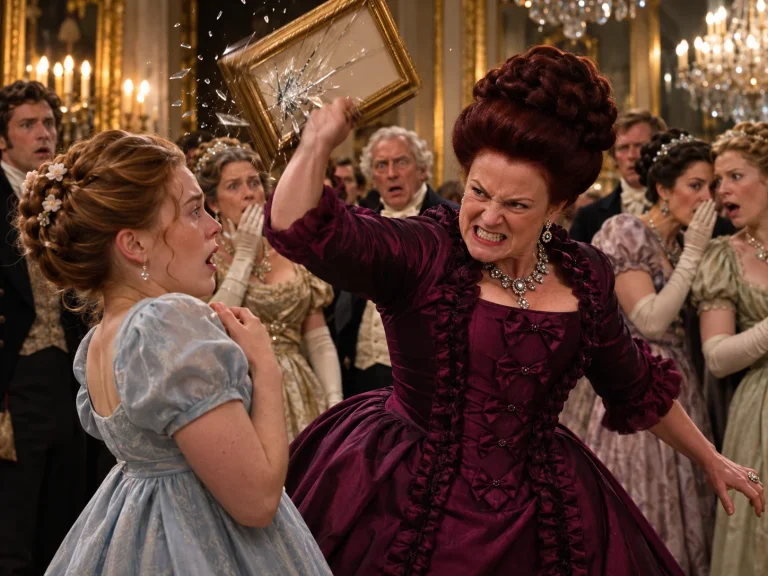
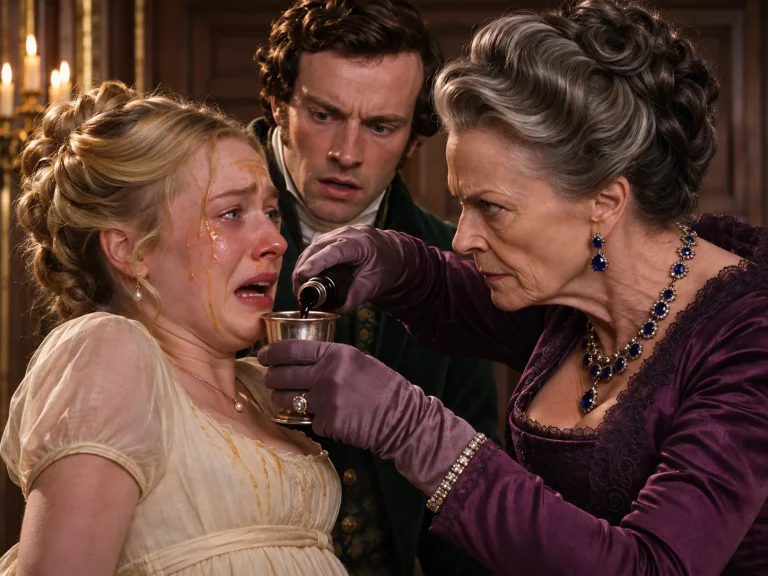
She never described these efforts as charity. She called them obligations that had been ignored for too long. Gordon became a regular visitor. Their affection returned slowly, with honest conversations replacing the secrecy that had once defined them. When they finally agreed to marry, they did so after Diana had secured her own legal advice and made certain the decision was entirely hers. The ceremony was modest, held in the village church with Martha and Sir Edmund among the witnesses. Beatrice did not attend. She sent a letter wishing them peace. Diana kept it in a drawer, not as proof of forgiveness but as a record of how far the family had traveled from the night she was struck and locked away. On the morning after the wedding, Gordon found her in the garden,
reading beneath the apple trees. He asked whether she regretted waiting so long. Diana closed the book and looked at him. “I regret that other people stole those years. I do not regret learning how to choose the ones ahead.” Gordon took her hand, and together they walked back toward the house. Their life began with honesty, not rescue, and that made every promise worth keeping over time.