—
The trustees met three days later at the estate office. Eric arrived with his own solicitor and insisted that the review was an insult to his position. Sir Edmund presented the marriage settlement, the questioned transfer, and the accounts showing payments to the clerk who had handled the missing letters. Martha gave a statement confirming that she had seen sealed correspondence removed from the delivery tray and carried into Beatrice’s study. She had kept a small household book recording the dates because the missing letters had troubled her. The entries matched the dates on Gordon’s copies. The clerk, when questioned, first denied everything. Then he admitted that Beatrice had ordered him to withhold certain letters and that Eric had later paid him to prepare a document using Diana’s signature. He claimed he had believed the family would settle the matter privately.
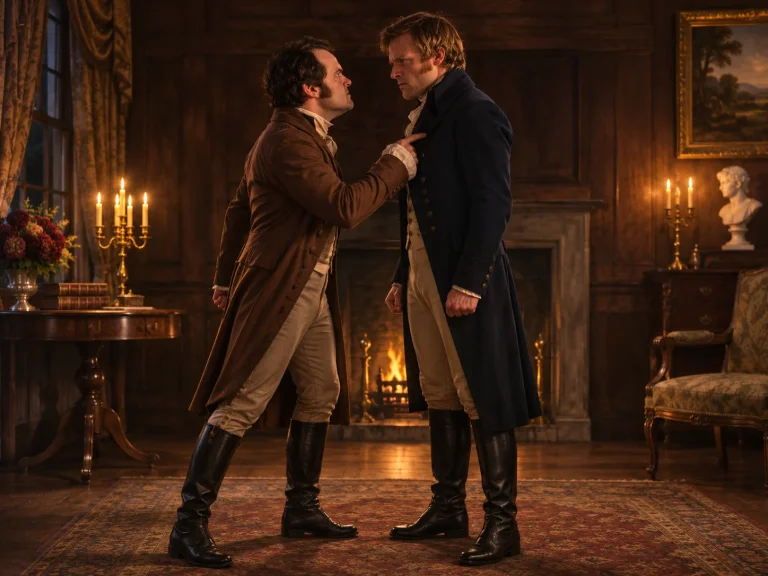
The trustees did not decide the criminal question. They did, however, suspend Eric’s authority over the Vale trust and require an independent accounting of the estate transactions. They also directed that Diana receive her own legal advice and that no household servant interfere with her correspondence. Eric left the office furious. He told Gordon that he had destroyed the family for the sake of an old romance. Gordon replied that the family had been damaged long before he spoke. The difference was that someone had finally written it down. Beatrice did not attend the final meeting. She sent a note saying she was unwell. Diana knew the older woman was not ill. She was waiting to see whether the family would protect her again. The trustees knew that a family name could not excuse a false document,
nor could it erase the testimony of servants who had watched the letters disappear and remembered who ordered it from the study.
—
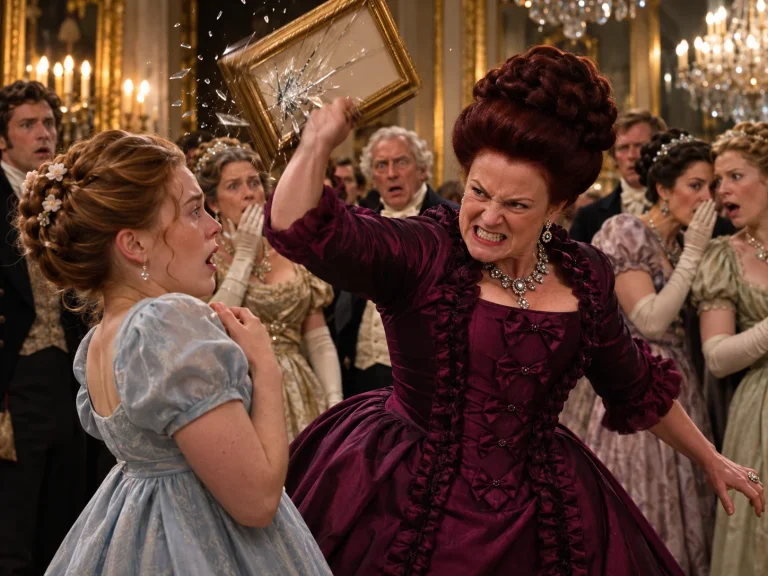
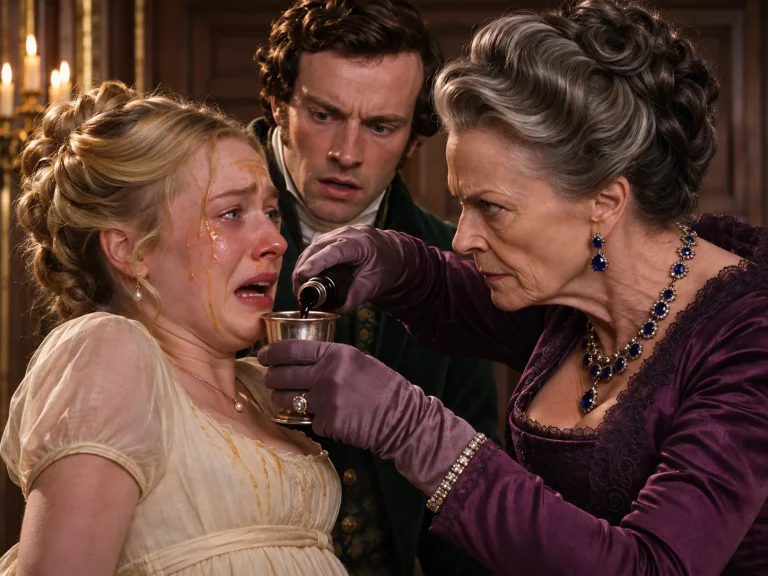
Beatrice finally asked to see Diana in the small chapel. She came without her usual jewelry and sat in the back pew. For the first time, she looked older than her years. She told Diana that she had believed a marriage to Eric would secure her future. She had also believed Gordon would recover from his disappointment and marry someone suitable. When the letters began arriving, Beatrice had feared that the brothers would fight and that the family’s standing would collapse. She chose the solution that protected the title. “You chose for all of us,” Diana said. Beatrice admitted that she had struck Diana because she feared Gordon would expose the household before she could control the story.
It was not an apology. It was an explanation offered too late. Diana asked whether Beatrice would testify about the letters and the marriage settlement. The dowager hesitated. If she did, Eric could face public disgrace. If she did not, the trustees might assume she had been part of the deception. “I will not lie for him again,” Beatrice finally said. Diana did not embrace her or offer forgiveness. She simply asked her to tell the truth under oath. Beatrice nodded. When Diana left the chapel, Gordon waited in the corridor. He asked whether their mother had threatened her. Diana shook her head. “She told me why she did it. That is not the same as making it right.” Gordon agreed. He had spent years longing for the family to become what he remembered.
Now he understood that the truth might leave them all changed. Beatrice’s confession did not repair the harm, but it removed the last excuse the family had used to deny what happened inside the house for so many years, and gave Diana a witness at last in court.