—
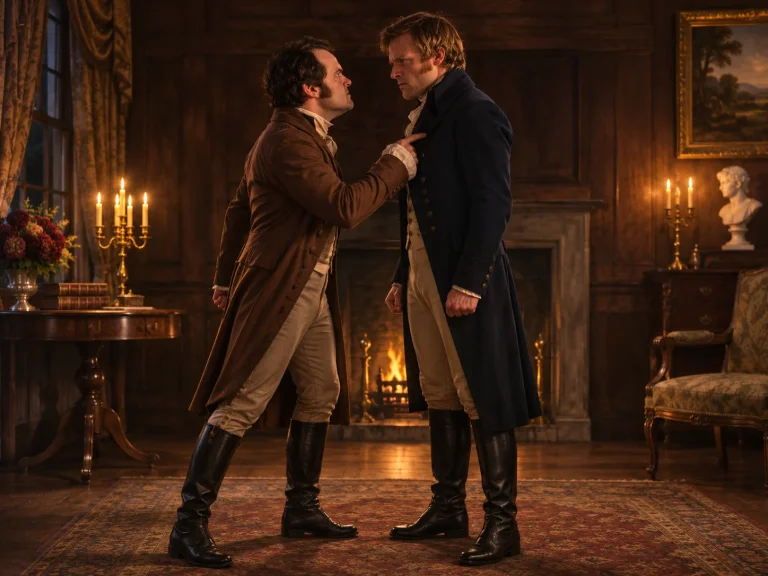
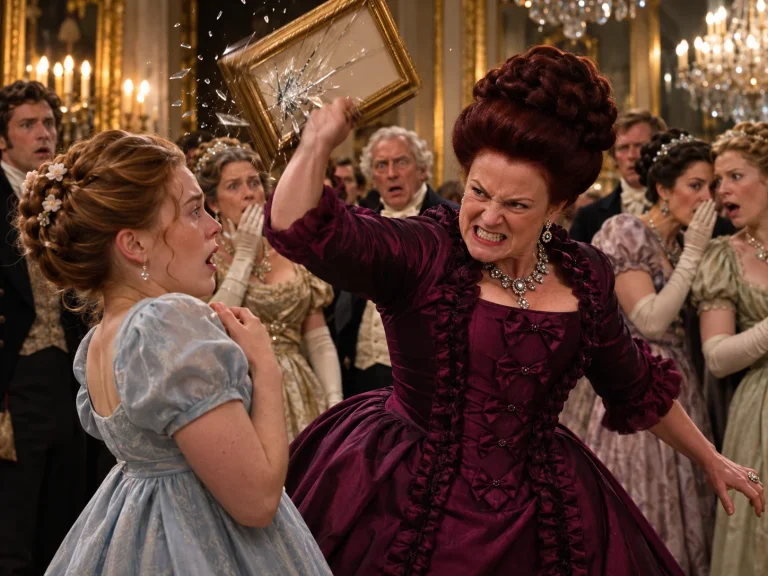
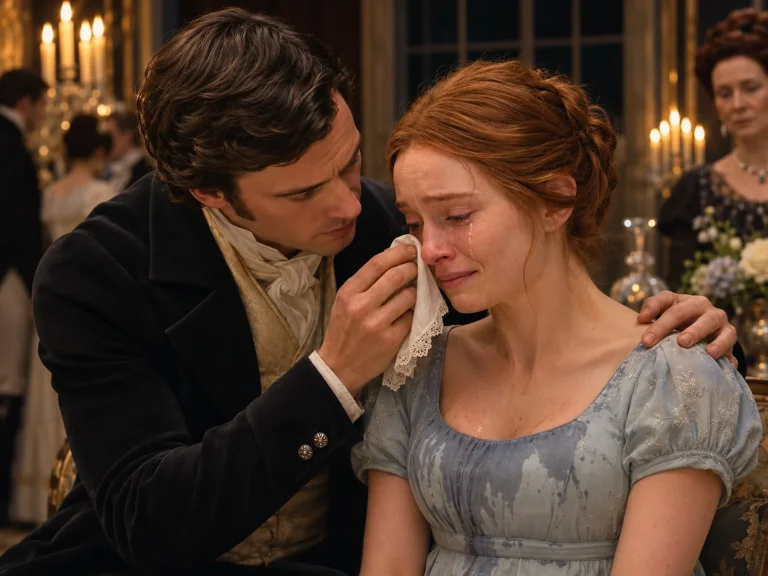
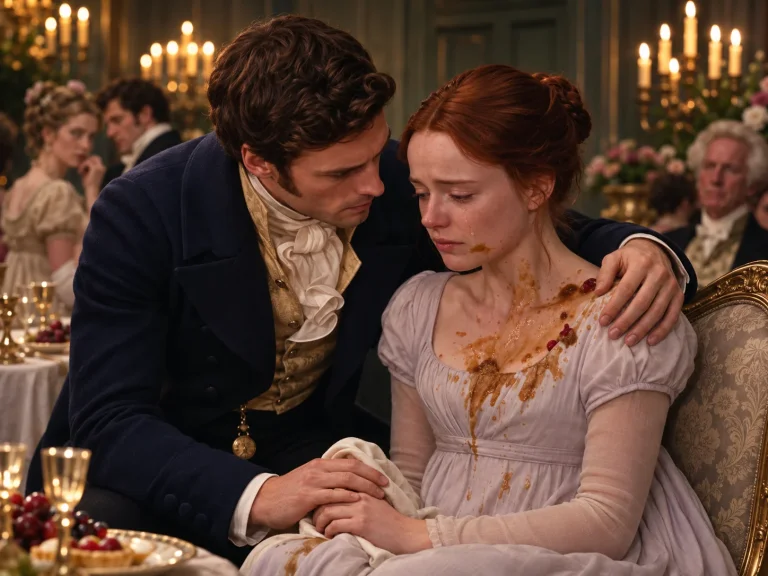
The formal hearing took place in the county hall, where the trustees reviewed the estate accounts and heard sworn statements. It was not a trial for every act committed in the house, but it was the first public examination of the family’s private arrangements. Diana testified first. She described the threats made against her father, the pressure to sign away the Vale property, and the night Eric struck her. She spoke calmly, stopping when she needed water. Gordon waited outside until she asked for him. Then he described the letters he had written and the false message that convinced him Diana had rejected him. Beatrice testified last. She confirmed that she had instructed the clerk to withhold correspondence. She said she had done so to prevent a scandal, but the magistrate asked whether she understood that she had deprived two adults of the chance to make their own decisions.
Beatrice could not answer immediately. The trustees ruled that Eric’s authority over the Vale trust would remain suspended. They ordered repayment of funds transferred without approval and referred the forged document to the proper authorities. Diana was granted a separate residence and a regular income from her trust while the marital dispute proceeded. Eric retained his title, but he lost control over the property that had allowed him to dominate the household. His reputation was damaged not by gossip but by records signed under oath. When the hearing ended, Diana stepped into the sunlight. She had expected to feel victorious. Instead, she felt exhausted and strangely quiet. Freedom, she was learning, did not arrive like a trumpet. Sometimes it began with a door that no one could lock again. Her testimony changed the record,
and the record changed what the family could demand of her from that day forward in public.
—
Gordon met Diana at the edge of the estate grounds the following morning. He had brought no carriage and no grand declaration. He simply asked whether she wished to see the small house the trustees had arranged for her near the Vale boundary. The house was modest, with two bedrooms, a kitchen that looked over a walled garden, and a study where Diana could keep her books. It had belonged to her father before his death. She had not visited it since her marriage. Inside, the rooms smelled of dust and lavender. Martha had already placed clean linen on the beds. Diana walked to the window and looked at the bare orchard beyond it.
She remembered the summer when Gordon had first asked her about poetry there. He stood a few steps behind her. “I can leave if you want quiet.” She turned. “I want quiet. But I do not want you to disappear again.” Gordon promised not to disappear, but he also promised not to ask her for an answer about their future. Diana needed time to learn what she wanted when no one was threatening her or deciding for her. They spent the afternoon sorting her father’s books. Some had notes in the margins; others contained pressed leaves. Gordon found a volume of poems with a letter tucked inside. It was the first letter he had written before leaving for France. Diana read it, then placed it back carefully. The past had not been restored.
It had been returned to her, piece by piece. The little house was not a grand escape, but it gave Diana a door she could open herself, a desk for her letters, and a key no one else carried. For the first time in months, she slept without listening for Eric’s footsteps outside.