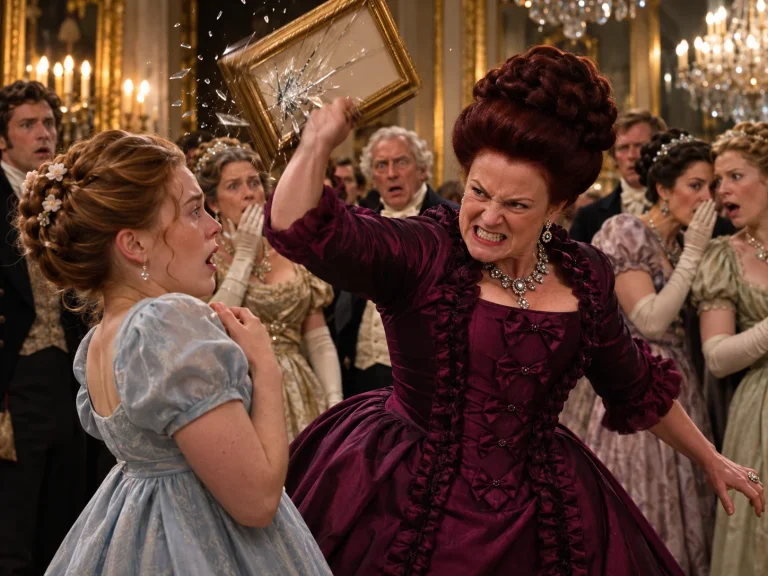
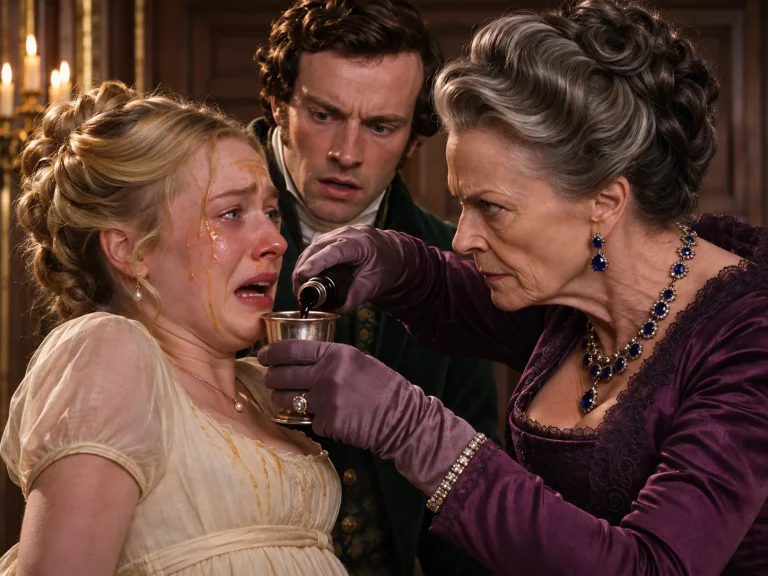
—
Beatrice sent Diana a letter in early spring. It was brief and written in a hand less steady than before. She asked to visit the Vale house, not as the dowager duchess but as a woman who wished to speak without servants or witnesses. Diana considered refusing. Then she remembered that she could choose to hear someone without agreeing to forgive them. Beatrice arrived in a plain carriage. She admitted that she had protected Eric because she feared losing the family name and because she had spent her life believing that a woman survived by preserving the men who held power. She had mistaken obedience for stability. She did not ask Diana to excuse the slap or the confinement. Diana listened, then said that an apology would matter only if Beatrice stopped using influence to control other people’s lives.
Beatrice nodded. She had no authority over Diana’s trust anymore, but she could still choose whether to help the village school and the tenants whose accounts had been neglected. They agreed on no instant reconciliation. Beatrice would provide copies of the household records and sign a statement confirming the letters had been withheld. Diana would decide later whether she wished to receive another visit. After the carriage left, Martha asked whether the meeting had helped. Diana answered that it had made the past clearer, not lighter. Sometimes that was enough for one day. Before leaving, Beatrice placed a second packet on the pew. The letters inside showed that Eric had kept a mistress in London throughout the marriage. She had hidden them to protect the family name, not Diana. The evidence could support a private Act of Parliament,
though the process would be costly and uncertain. Diana took the packet without thanking her. She kept it close against her heart, quietly.
—
Eric’s final attempt to regain control came through a letter to the trustees. He claimed Diana had been influenced by Gordon and asked that her management of the Vale property be reviewed. The trustees requested evidence. Eric supplied none beyond his own opinion. Sir Edmund answered with the settlement, the accounting, and the sworn statements already on record. The trustees refused to reopen the matter. They also reminded Eric that any further interference with Diana’s correspondence or property would be treated as a breach of the separation agreement. For the first time, Eric had to accept that the people around him could say no. He remained proud and resentful,
but he stopped sending servants to Diana’s house. The household grew quieter. Gordon did not celebrate his brother’s loss of authority. He knew that humiliation had been part of what drove Eric to cruelty. He hoped Eric might one day recognize the damage he had caused, though he no longer believed that hope should determine Diana’s choices. Diana, meanwhile, completed the repairs to three tenant cottages and arranged for the village school to receive a new stove before winter. She had inherited more than a name from her father. She had inherited a responsibility to people who had never been invited into the drawing room. When Gordon visited, she showed him the accounts. He praised the careful work. She laughed and said he sounded like Sir Edmund. It was the first easy laugh either had shared in years.
After reviewing the letters, Diana’s counsel prepared a private bill seeking dissolution on grounds of adultery and cruelty. The process would take months, cost money, and expose the family to public scrutiny. Diana read every page before she signed, determined that no one would make this decision for her again. She remained calm.