—
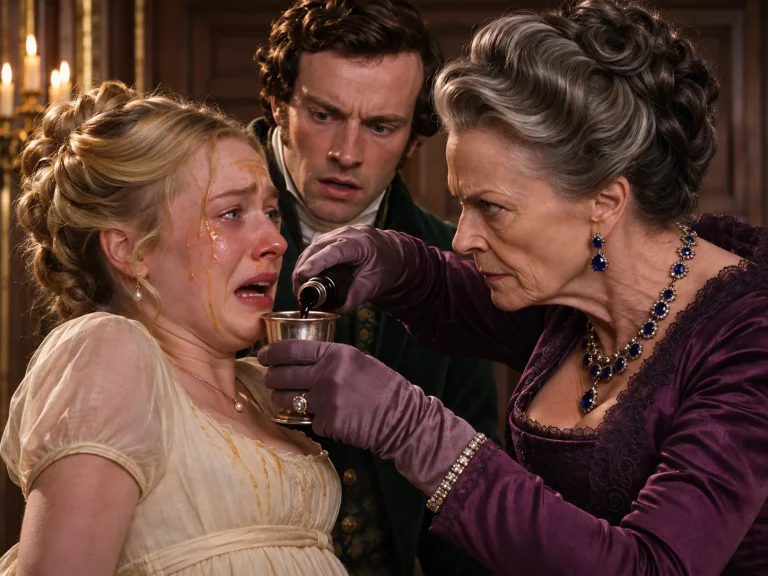
Beatrice summoned Gordon to her private sitting room that evening. She had dismissed the servants and placed a small fire in the grate. On the table lay a miniature portrait of their father, beside a sealed packet Gordon had not seen before. “You are making a mistake,” she said. “If this matter becomes public, Eric will lose the respect of the county. The estate will be divided by lawyers. Your sister’s future will be uncertain.” Gordon asked why she had not considered those things when she arranged the marriage. Beatrice replied that she had acted to preserve the dukedom. Eric was the elder son, the natural heir, and the one their father had trained to govern. Gordon had been sentimental and easily distracted. Diana’s family had land, influence, and a respectable name.
The match had seemed useful. “You call it useful,” Gordon said. “Diana calls it a prison.” Beatrice opened the sealed packet. Inside was a letter from their father, written months before his death. It instructed the trustees to review Eric’s management if credible evidence of coercion or misuse of estate funds emerged. The duke had been worried about debts and had not trusted his eldest son as much as the family believed. Gordon read the letter twice. It did not remove Eric’s title, but it gave the trustees authority to suspend his control over certain family assets while an inquiry took place. Beatrice took the letter back. “This was never meant to be used against your brother.” “Then why hide it?” She did not answer. Gordon realized she had been protecting Eric from their father’s judgment for years.
He left the room knowing that the next confrontation would not be between two brothers alone. Their mother had helped build the lie. Their mother had chosen power over honesty.
—
Eric learned of the trustees’ review before the week was over. He responded by calling a family gathering and announcing that Diana had become unstable. He said the strain of marriage had affected her judgment and that Gordon was encouraging her delusions because he had never accepted their wedding. Several relatives looked uncomfortable, but none challenged him. Beatrice sat beside her son, wearing the expression she used when she wanted the room to believe a decision had already been made. Diana entered wearing a simple blue gown. Her cheek had healed, but she did not lower her eyes. She carried the original settlement and a small packet of letters.
Gordon walked behind her, leaving enough distance that no one could claim he was directing her. Eric told her to return upstairs. Diana refused. She asked Sir Edmund to read the settlement aloud. The solicitor explained that the Vale property remained in trust and that the disputed transfer lacked the required approvals. He then produced the intercepted letters, each bearing a date and a seal. A cousin recognized the clerk’s handwriting. Another remembered being told that Gordon had become engaged in France, though no such engagement had existed. The family began to understand that the silence between Diana and Gordon had been manufactured. Eric called the letters childish tokens. Diana answered that they were evidence of a deliberate deception. She did not accuse him of every wrong in her life.
She described what she knew, named the people who had witnessed it, and asked that the trustees protect her property while the inquiry continued. For once, the room listened to her without waiting for Eric to interpret her words. No one could pretend the accusation was merely a lovers’ quarrel; it concerned the law, the estate, and Diana’s right to speak.