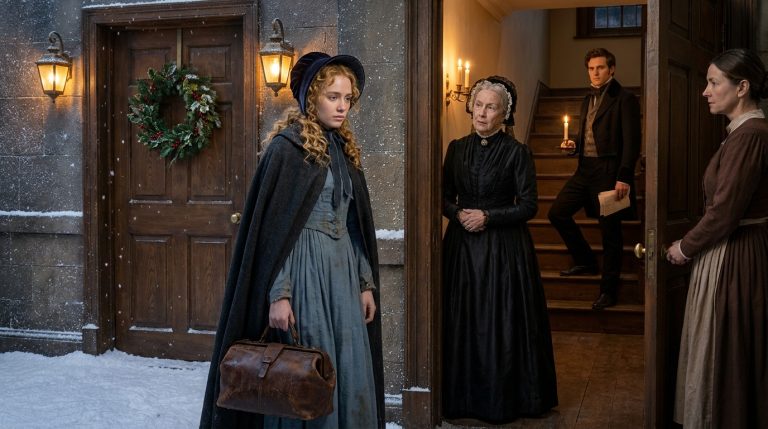
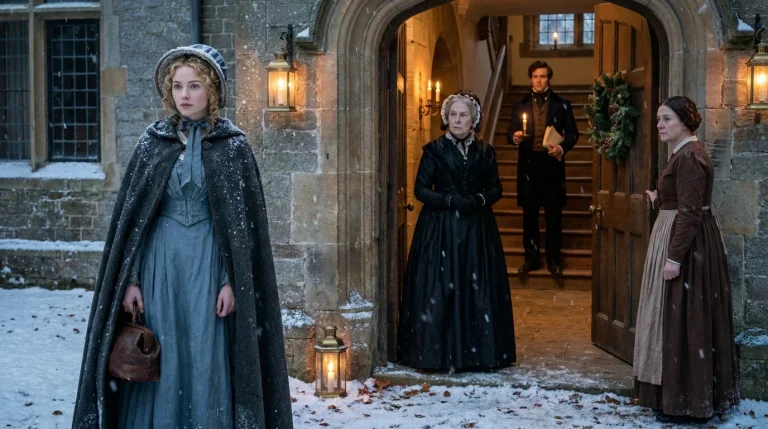
By the autumn hearing in Bath, the evidence filled two cases. The deed established what Eleanor had intended. The bank records showed where the money went. The copied signature explained how Anne’s refusal had been turned into consent. The witnesses made it impossible to speak of the missing money as though it had harmed nobody.
The Dowager attended in black silk. Several people who had once crowded her drawing room found reasons to remain near her, but none offered to be the first to speak.
Nash gave his account with a shaking voice. Mrs. Harcourt described the returned locket. Jane and her grandmother laid out their receipts. Margaret admitted what she knew of the money spent upon her family and of the false story she had repeated.
When Sophie was asked what she sought, she stood.
“An accurate account. The money restored to the people for whom it was intended. And an arrangement in which those people do not have to obtain a duchess’s approval before asking whether they have been paid.”
Counsel for the Dowager asked whether her attachment to Frederick had encouraged her to make the claim.
Sophie looked at the documents on the table.
“My mother’s name was written here before he ever offered me his coat.”
A murmur moved through the room.
Frederick stood only when he was called upon.
“I made a public declaration about Miss Bell without first asking her wishes,” he said. “I have corrected that to everyone who heard it. It gave her no obligation to me, and it gives me no right over her claim.”
“Would you support it if she refused you?”
“She has already refused to let me decide for her. The account remains the same.”
George confirmed that he had seen the name years earlier and had failed to investigate it. He did not shelter behind the Dowager’s assurances. When asked why he would contribute toward repayment, he answered without looking at Sophie.
“Because some of what I inherited should never have remained with the family.”
No single morning settled every matter. There were further examinations, schedules of arrears, and arguments about what could be sold without harming the tenants. Fenton refused to let a declaration of regret replace an enforceable obligation. By the time the settlement was entered, the Dowager had lost control of the fund, independent administrators had been appointed, and the estate was required to restore the principal and the sums improperly withheld.
Sophie received a copy bearing her own name. She read it beside the window of Fenton’s office, following each line with her finger.
“Do you understand it?” he asked.
“Yes.”
“Do you wish anything explained again?”
She looked up.
“The part that says they cannot take it away if I leave Rosemere.”
He read it to her. Then he let her read it again herself.
The repayment changed the estate. Frederick sold the racing stable and part of his personal investments. George contributed from his inheritance. The Dowager’s private account was no longer a place from which money could be moved without questions. Creditors demanded explanations, relatives withdrew invitations, and an old political ally told Frederick that a private arrangement would have spared everyone the trouble.
“It would have spared the people who already had enough,” Frederick answered.
He did not say it at a dinner table. He said it over an unpaid bill in the agent’s office, and afterward spent three hours deciding which household expenses could be reduced without dismissing the staff.
One evening Sophie found him comparing two lists beside a cold supper.
“You have not eaten.”
“I have been informed that the winter entertainments cannot possibly be reduced without causing offense.”